




In a gallery, silence is part of the experience. Temperature is, too. A conventional heater that hums, clicks, or blasts air breaks that quiet—and puts delicate canvases, pigments, and wood at risk. The job is straightforward: warm the space and the people in it without disturbing the environment or the collection.
What matters, technically
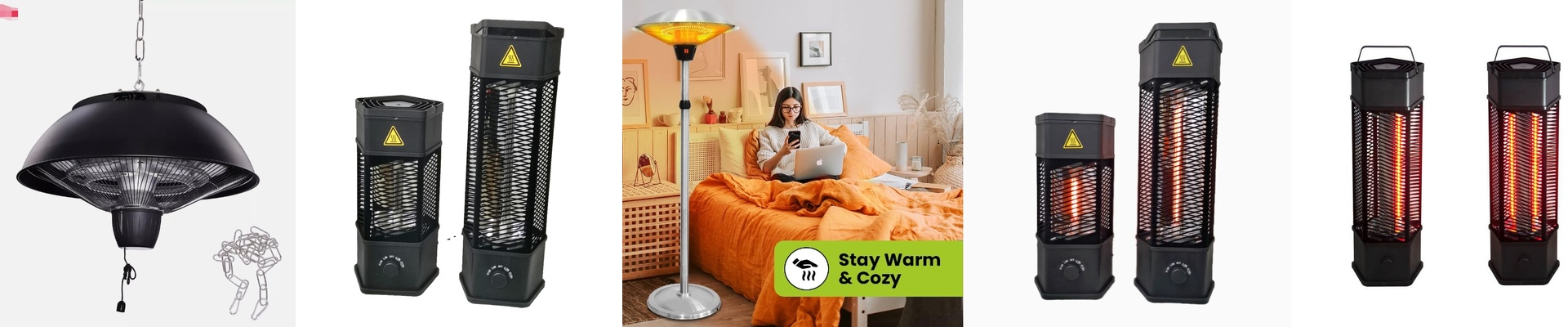
Infrared heaters warm objects and people directly, not the air. So the heat arrives fast, with no drafts—and without a fan kicking on. In practice, a low-noise infrared unit uses a radiant element—often a carbon fiber or quartz tube—to deliver gentle, directional warmth with minimal moving parts. You get comfort that feels natural, and the operating sound is low enough that you can talk without raising your voice.
Why it fits a gallery
Galleries and museums need precise, localized warmth that stays steady. Infrared heating targets the areas that need it most—near entryways, along viewing corridors, or beside sensitive display cases—without pushing airborne particles around. Because there’s no forced-air circulation, dust stays more settled and temperature swings are softer, which helps protect fragile materials. And the comfort is immediate: you step in, and the chill leaves your hands and feet without waiting for the room to “heat up.”
What you need to get right
Placement matters. For best results, mount the heater at a height that directs warmth toward visitor zones, while keeping direct exposure off artwork and case surfaces. Most electric infrared heaters plug into standard outlets, but for permanent installations, a dedicated circuit and secure mounting are the smart way to go. And while infrared heat is comfortable, it warms people and objects first, so pair it with gentle background control for the overall room temperature.