Stop Waiting on Your Oven to Warm Up
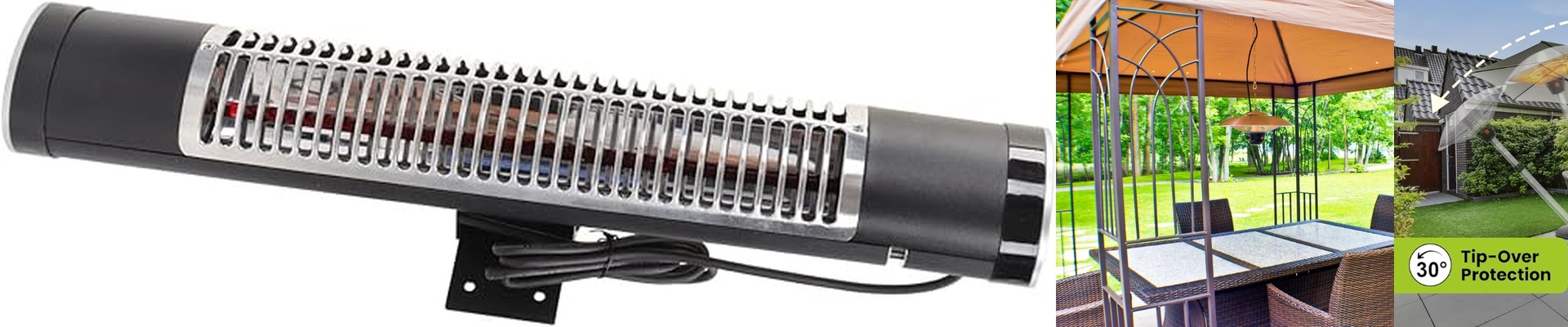
Nothing kills a production rhythm like a slow oven. You’re standing there, watching the clock, waiting for the air to finally hit the right temperature while your schedule slips away. When standard convection just isn’t cutting it, we bring in shortwave infrared (IR) emitters to help. Think of these as a turbo boost. Instead of waiting for the air to heat up and slowly wrap around your product, these emitters shoot heat directly into the surface of the dough. It’s immediate. The secret is in the speed. We use quartz-halogen tech because it reacts instantly. If you swap in a lamp with a higher wattage-to-length ratio, you’re basically cranking up the heat flux. The result? Your oven hits its target temperature way faster, and that annoying “recovery time” between batches almost disappears. Getting it installed We usually stick with R7s or SK15 connectors. Why? Because nobody wants to spend their weekend rewiring a control panel. These are designed to be drop-in replacements. The quartz glass is tough and can handle the constant heating and cooling, but you’ve got to keep it clean. If flour or oil builds up on the tube, you’ll get hot spots. And once you have hot spots, the glass cracks. Simple as that. A few things to watch out for More power is great for speed, but it’s not a free lunch. If you decide to jump from a 1000W tube to a 2000W version to speed things up, make sure your wiring and contactors can actually handle the extra current. You don’t want to fry your electronics just to save a few minutes. And be careful with the distance. If the emitter is too close, you’ll torch the outside of your pastry while the middle is still raw. To fix that, just tweak the height or use a PWM controller to dial back the power. It gives you a lot more control over the crust.