
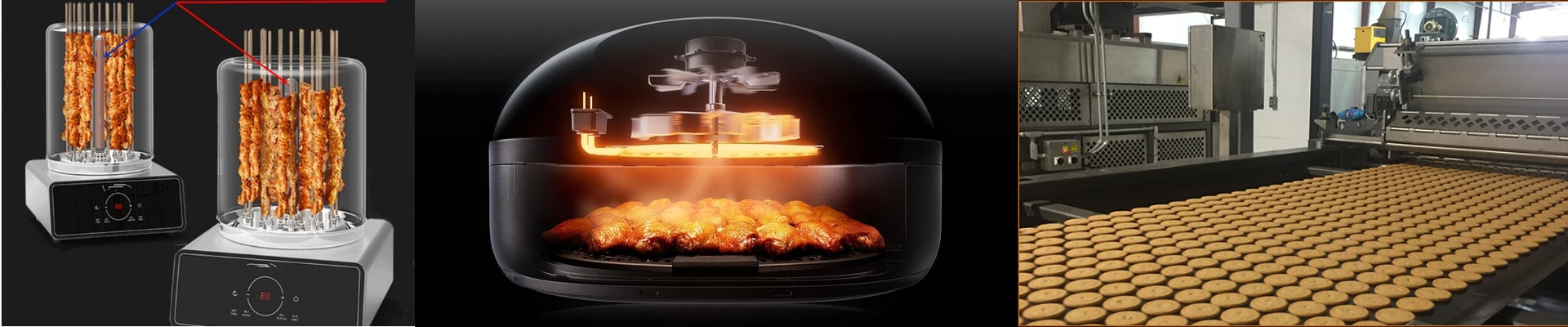
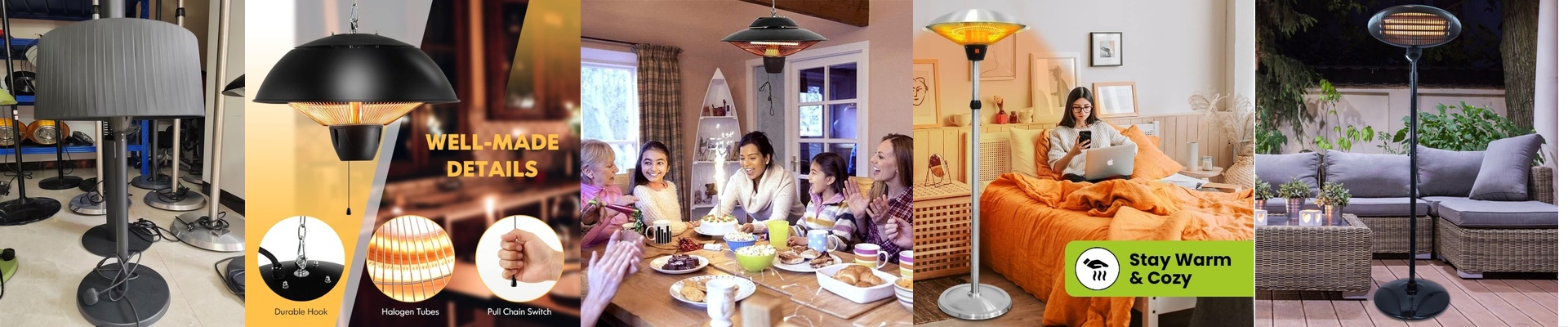
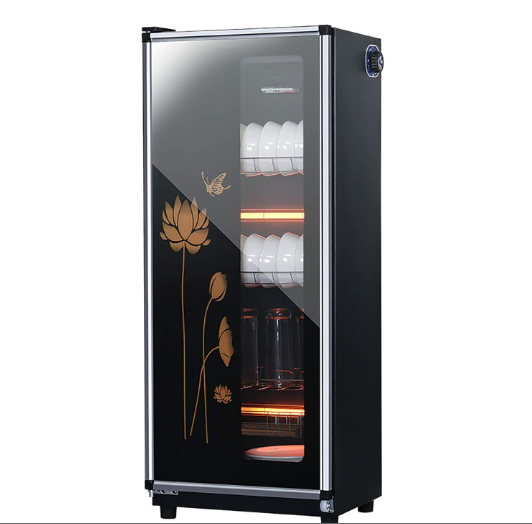
In a busy bakery, the rotary oven is under constant pressure—dough after dough, load after load. When the heating element can’t hold setpoint or throws heat unevenly, you end up with pale crusts, gummy centers, and labor that didn’t need to be wasted. The heating system has to keep up with both the pace and the product.
What matters under the hood
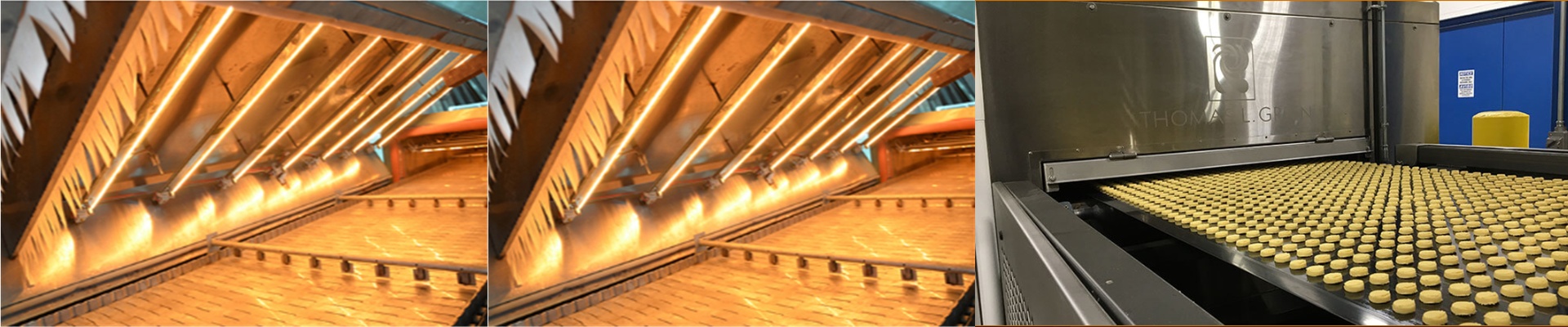
We build the temperature control element for rotary oven duty around fast recovery, stable setpoint, and even heat distribution. Medium-wave infrared emitters snap back to temperature, so the baking chamber hits target quickly after door openings and loading. Integrated thermal sensors keep the control loop responsive, holding setpoint within tight tolerance so you don’t get the swings that wreck crust color and crumb structure. The element geometry is matched to the oven cavity, spreading heat evenly across trays instead of cooking hot spots. Specs are production-minded: high-temperature insulation, solid termination points, and a form factor that fits standard rotary oven mounting. The payoff is predictable energy delivery, cycle after cycle.
Why this works in a rotary oven
Rotary ovens live on throughput and repeatability. This element brings the temperature back fast, shortening recovery and keeping bake times consistent. You get more consistent caramelization on the crust, better oven spring, and fewer under- or over-baked items that end up discounted or tossed. Energy use drops because the element heats on demand and holds temperature without overshooting. In practice, that means more trays per hour with less guesswork, and a line that stays calm when orders pile up.
What you need to know on install
Match the oven’s voltage, phase, and mounting hardware, and double-check clearances to trays and seals. These elements perform best in a clean cavity with unobstructed airflow—heavy dough steam and residue can accelerate wear at the termination points. After install, run a quick calibration to align the control’s temperature offset with the actual baking chamber reading. Set it up right, and the element will deliver stable heat for a long service life.