Stop Letting Your Patio Go to Waste This Winter
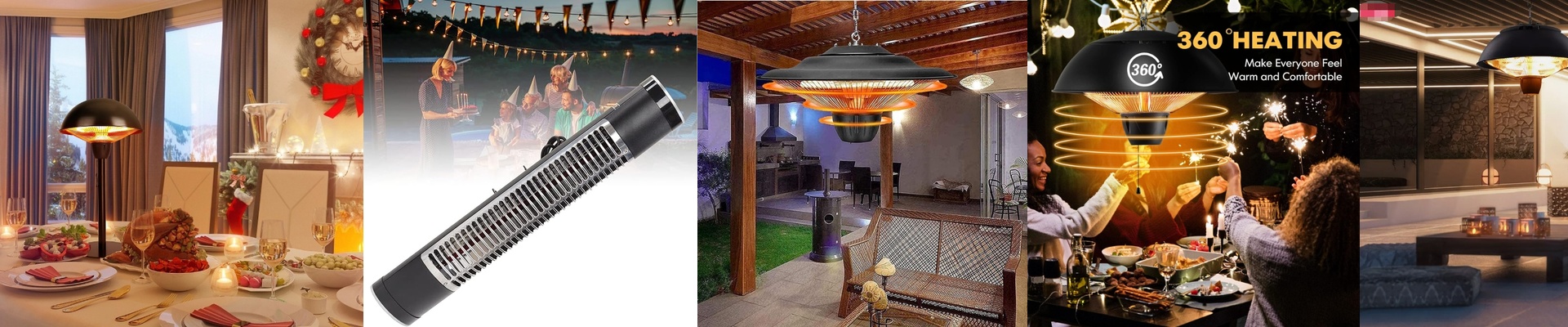
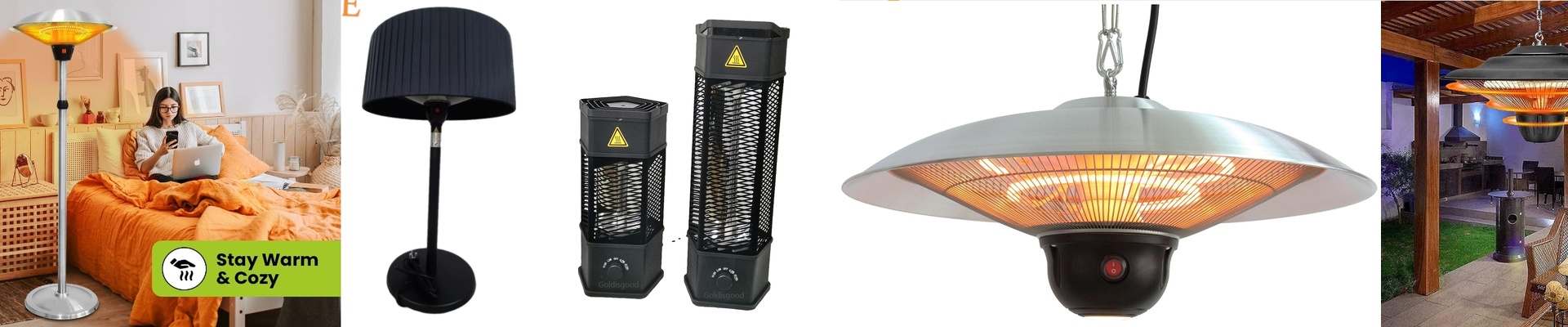
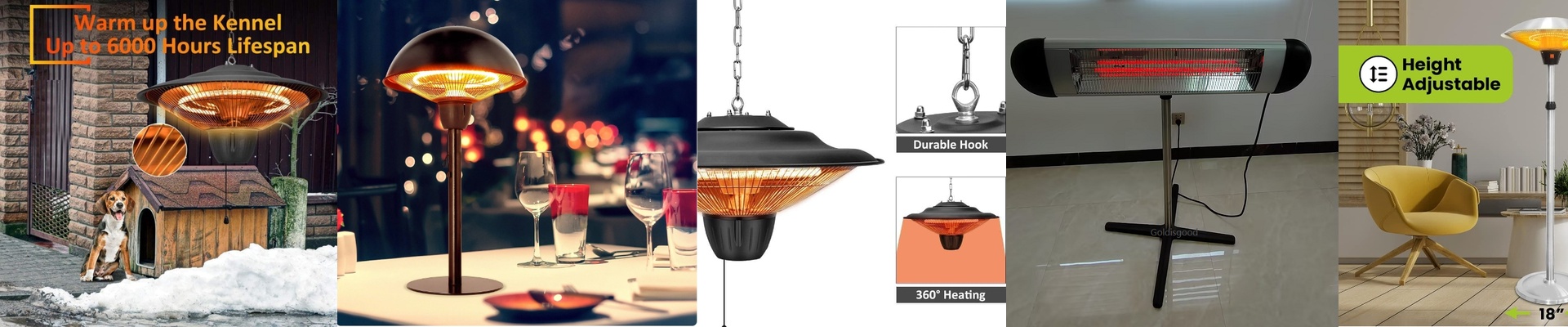
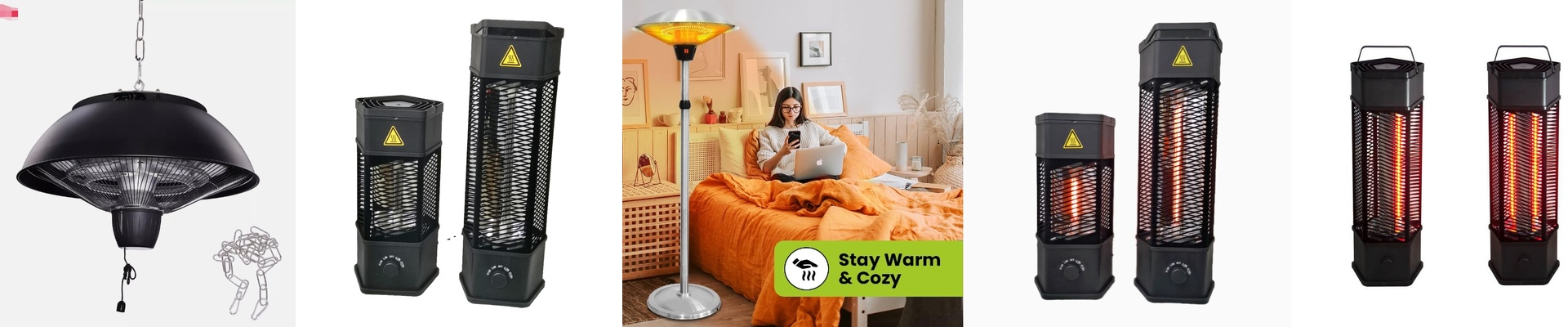
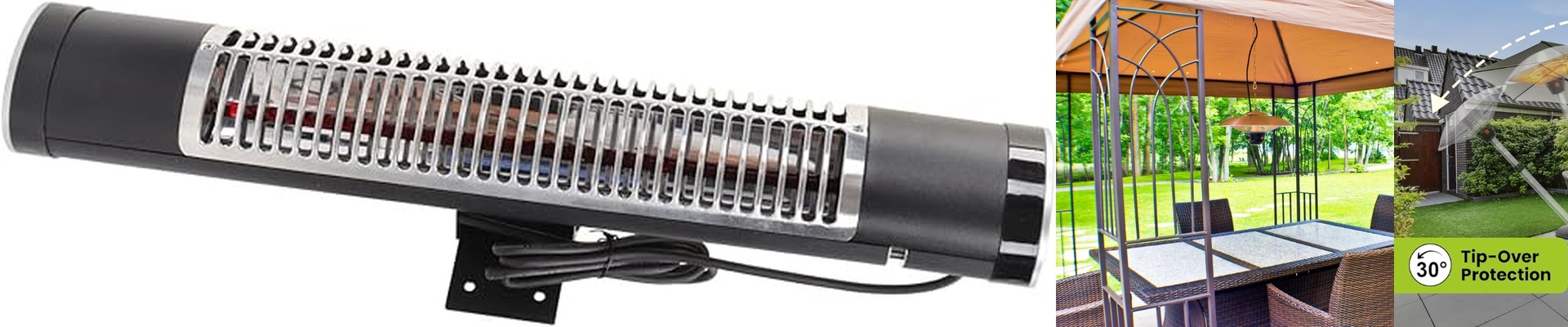
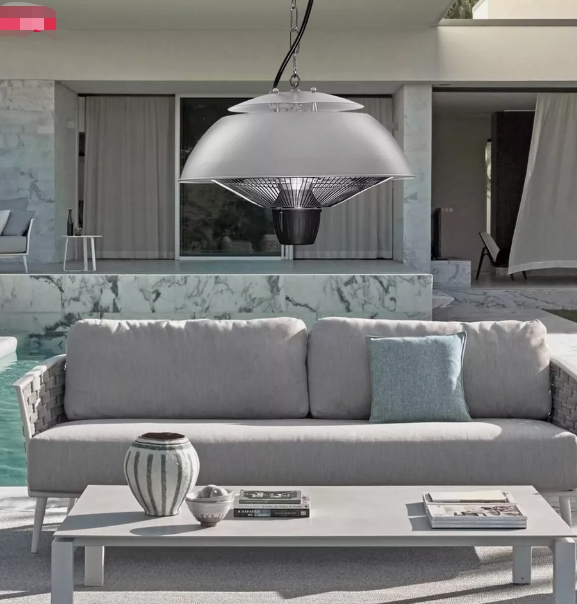
It’s a frustrating sight: a beautiful outdoor seating area just sitting there, empty, because it’s too cold for anyone to survive five minutes outside. You’ve got the space, but you’re losing money. The trick to fixing this isn’t trying to heat the outdoors—which is basically impossible since the wind just carries the warmth away. Instead, we use IP65 shortwave infrared heaters. These don’t bother with the air; they beam heat directly onto your guests and their chairs. It feels like standing in the sun on a crisp October day. Why the “IP65” part actually matters If you’re putting these outside, you can’t cut corners on the rating. IP65 basically means the unit is sealed tight against dust and can handle rain or snow hitting it from any angle. You can mount them in the elements and not spend your night worrying about a short circuit or a blown fuse the moment a storm rolls in. We usually go with high-wattage elements because they can punch through that biting wind-chill that makes patios feel like ice boxes. Instant heat, faster tables Here is the best part: shortwave technology is fast. Really fast. Unlike those old gas heaters that take forever to get going, these hit full temperature in seconds. Think about the customer experience. A party sits down, they feel the warmth immediately, and they relax. They aren’t shivering or complaining about the draft. When people are comfortable, they stay longer and they order more. It’s that simple. A few things to watch out for Now, there are two things you need to get right during setup. First, the power. These heaters pull a lot of current. If you try to piggyback too many of them onto one breaker, you’re going to trip it right when your patio is full of people. You’ll want to make sure your electrical panel can actually handle the peak load. Then there’s the “edge effect.” The heat is intense right under the lamp, but it drops off quickly once you move a few feet away. To avoid those annoying cold spots that drive people back inside, you have to overlap the heating zones. Get the spacing right, and your guests won’t even notice it’s winter.