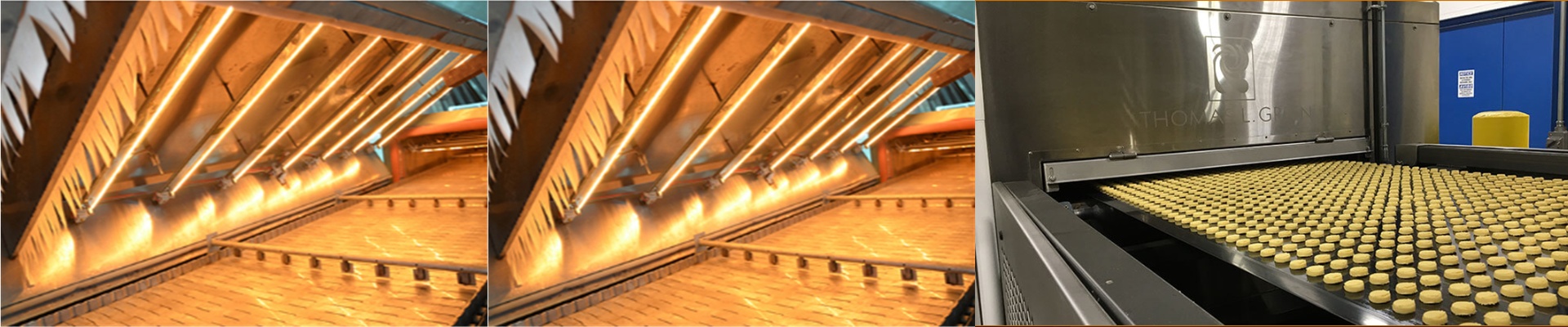

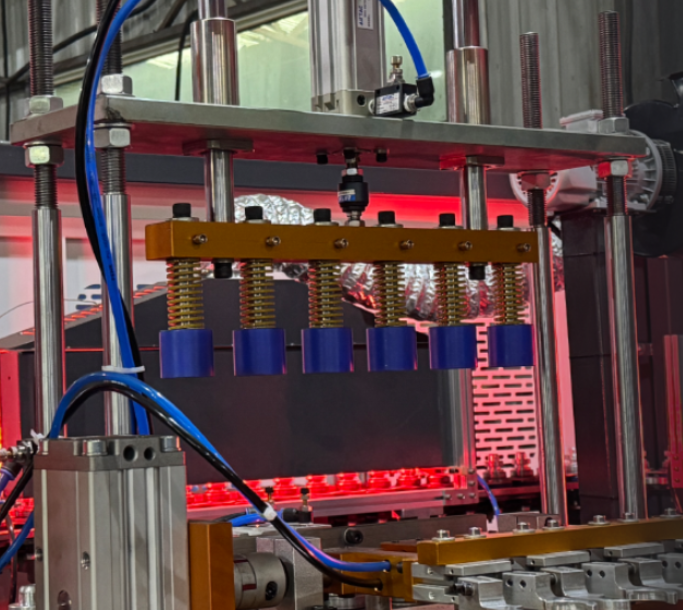
On the blow molder, uneven preform heating shows up fast—short shots, thick brims, and bottle weight drifting all over the place. When the heating tunnel isn’t doing its job, you’re chasing rejects instead of running cycles. The gold reflector plate in the PET oven is the quiet part of that system that decides whether your infrared energy lands on the preform—or gets wasted. What matters, technically We build the gold reflector plate for the PET oven as an OEM-grade component. The substrate is high-reflectivity aluminum, then a multi-layer gold coating tuned for short-wave infrared, so more energy gets reflected back toward the quartz tube and the preform zone. The plate geometry is held to tight flatness tolerances to keep the focal path consistent the full length of the heating tunnel. Every plate is checked for reflectivity, surface integrity, and dimensional conformity, and it’s engineered to match the mounting and clearance of standard blow molding ovens. Why it works in stretch blow molding In stretch blow molding, preform heating has to be repeatable, cycle after cycle. A properly matched gold reflector plate restores the intended heat profile. That means faster stabilization after changeover, fewer temperature-related defects, and output that stays steady. You also get more usable infrared output per lamp, which can cut energy draw and extend lamp life by lowering the thermal load needed to hit setpoint. Here’s what to watch for Installation is straightforward, but alignment is the make-or-break part. Even a small warp or a mis-mount changes the reflector-to-tube gap and moves the hot spot. Verify the plate matches your oven length, mounting holes, and any shielding requirements around the R7s lamp ends. If your line runs in high ambient heat, confirm thermal clearances so the reflector stays stable without contacting adjacent components.