

Stop Waiting for Your Oven to Warm Up
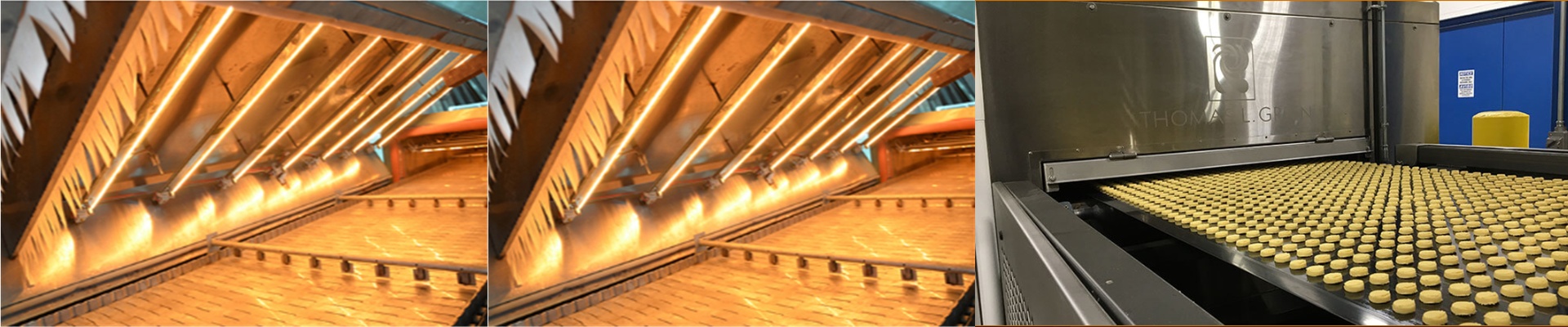
Nothing kills a production rhythm like standing around waiting for an oven to hit temperature. It’s a drag. When your main heating system just can’t get up to speed fast enough, we throw in some auxiliary rapid heating lamps—specifically short-wave halogen tubes—to give the heat bridge a serious boost.
How it actually works
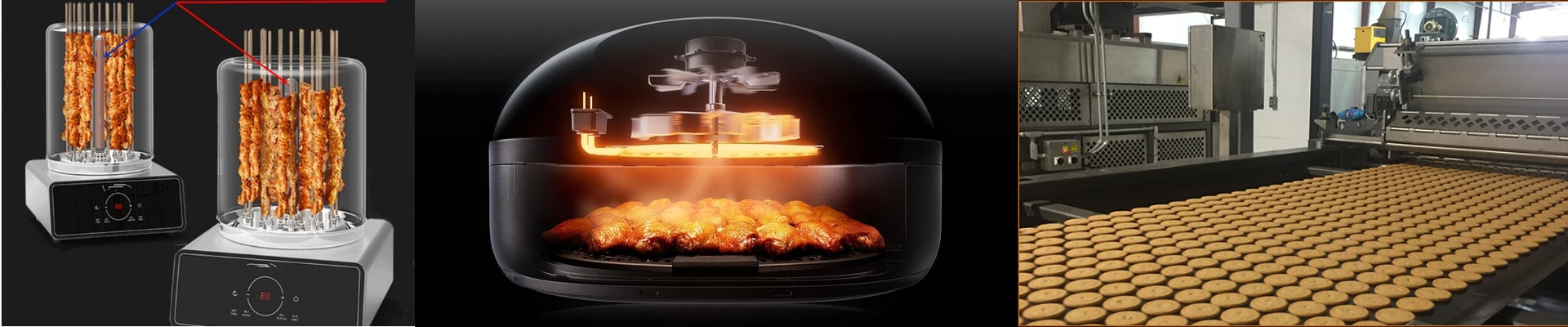
Standard resistive coils are slow because they have to heat up all the air in the oven first. It’s a lot of wasted time. These IR lamps are different. They shoot energy straight into the part you’re working on. By adding these as a backup, you basically skip the line. You aren’t waiting on the air; you’re heating the product. It cuts the ramp-up time way down and keeps your cycle moving.
The gear you’ll need
We usually go with high-wattage tubes because you want that heat hitting instantly. Since we use standard connectors like R7s or Sk15, they usually slide right into most existing bridges without a fight. We use quartz glass for the envelopes so the IR waves can get through without getting blocked. Depending on what you’re heating, you might need specific coatings. This helps the heat actually soak into the material instead of just bouncing off the surface. Just make sure your voltage matches your plant’s grid—usually 220V or 380V. If you get that wrong, your output will tank.
A few warnings from the shop floor
Here’s the catch: more heat density means more stress. You’ll get your parts out faster, sure, but your insulation and cooling fans are going to feel it. If you crank up the wattage but forget to fix your ventilation, you’re looking at warped bridge frames or burnt-out sockets. A couple of pro tips: use high-temp lead wires so you don’t melt your insulation. And for heaven’s sake, tweak your PID controller. Halogen tubes react fast—really fast—and if you aren’t careful, you’ll overshoot your target temperature and ruin your work.