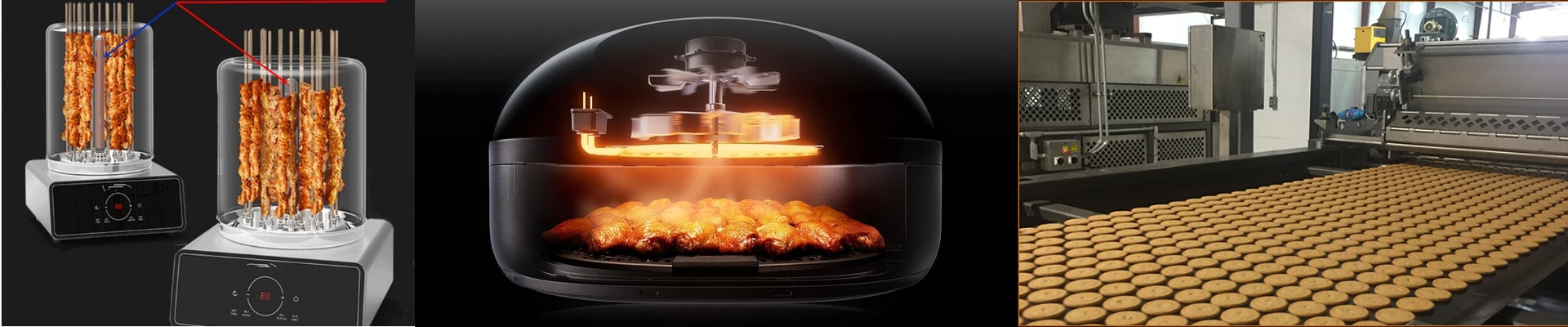
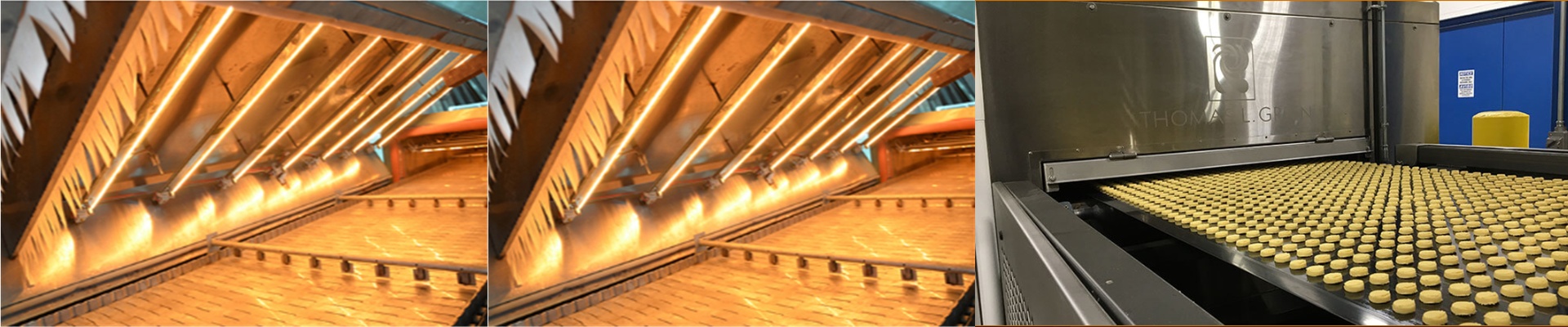
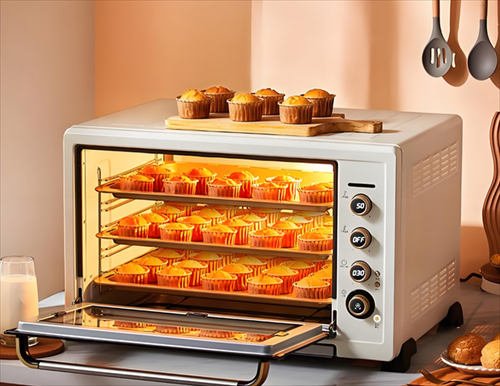
When the rush hits, your deck oven, rotary oven, or warming cabinet has to keep up. If the heat isn’t steady, you see it right away—uneven crust, pale bottoms, and product that dries out on hold. That’s why we built the heating core around frosted quartz tubes. What matters, technically These tubes use quartz with a frosted internal surface to diffuse short-wave infrared. Instead of focusing energy into hot spots, it spreads it out. That gives you a more even radiant field across the baking chamber, so stone hearths and sheet pans get stable heat. The response is fast—full operating temperature in seconds—and the element stays steady even when the door keeps opening. In practice, you get quicker recovery after loading, more repeatable bake profiles, and less temperature swing between thermostat cycles. Why it works in real service On the pizza line, that even radiant heat helps you get crisp, blistered crust without scorching the center. In bakery work, it supports consistent oven spring and controlled caramelization across trays. For roasting and grill-style finishing, the quick response keeps you in control when demand spikes and drops. And in warming and holding, the lower radiant intensity helps keep product moist instead of overcooking, so you can hold longer without losing quality. Things to know on the install and in daily use Installation is straightforward, but clearance and mounting matter. Keep the tubes the specified distance from pans, stones, and foil—otherwise you’ll get localized overheating. Match the voltage and watt density to the oven’s design. Mismatched wiring shortens element life and can trip protection circuits. Quartz handles thermal shock well, but it’s brittle. Avoid direct contact with racks and use proper clamps. Plan for a 10–15 minute shutdown inspection every 1,000–1,500 hours. It keeps output consistent and keeps your kitchen workflow from getting interrupted.