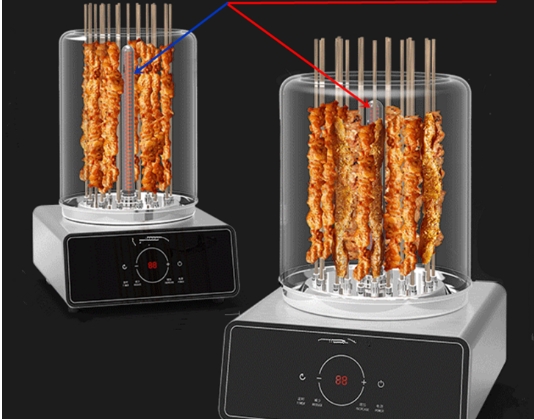
When the lunch rush hits, that catering griddle has to come up to heat immediately—no lag, no hot spots, no second-guessing. A tired or underperforming infrared tube doesn’t just slow you down; it steals control. You end up with cold corners on eggs and uneven sear marks on proteins. We built our replacement infrared tube to give that control back, engineered for the way a real kitchen runs.
What actually matters under the hood
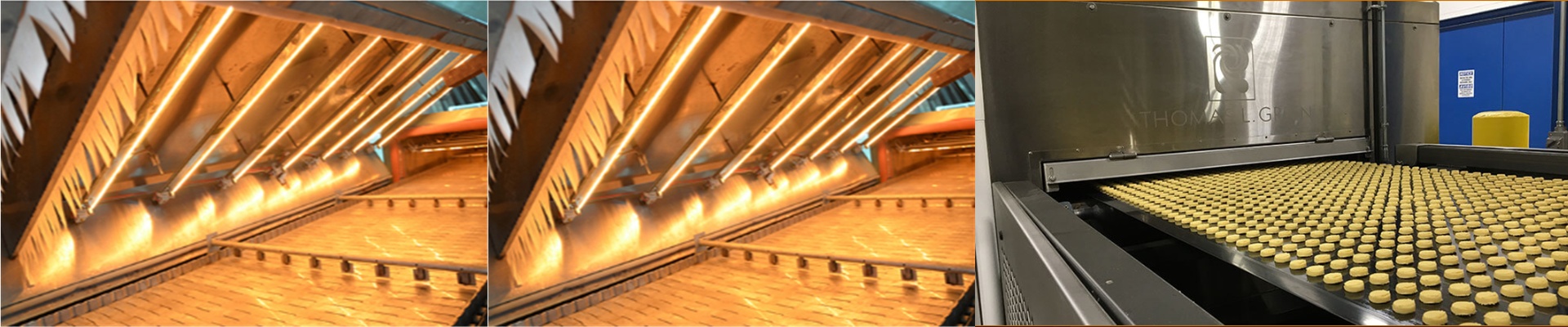
With infrared, you’re transferring energy straight to the griddle plate, so response time and even distribution beat raw wattage. Our tube brings the plate up fast, then holds a stable thermal profile with tight consistency across the entire radiating surface. Fewer swings at the thermostat means fewer swings in doneness. The quartz envelope takes the thermal shock of repeated power cycling, and the internal filament geometry is laid out to spread intensity evenly—so you don’t get edge cool-down. Spec it out: rapid heat-up to operating temperature within minutes, consistent output along the full tube length, and a design that drops in cleanly with standard griddle mounts and wiring. In practice, that translates to predictable sear, repeatable timing, and a griddle that behaves the same at 2 p.m. as it did at 10 a.m.
Why this works on a catering griddle
Catering griddles live in bursts—batch after batch, pans and utensils sliding around, orders stacking up. Infrared keeps the plate temperature stable, so you’re not compensating for cold zones or chasing overshoot. That means faster cycle times, better caramelization on vegetables, cleaner sear lines on proteins, and less overcooking in the middle of the rush. Energy use comes down because the tube heats quickly and holds steady, and the griddle recovers faster between orders. You also cut down on downtime: a dependable tube means fewer emergency swaps and service that stays consistent.
The practical details—what to watch for
Installation is straightforward, but match voltage and terminal connections to your griddle’s spec. Clean out any grease buildup around the mounting area and double-check reflector alignment—misalignment will give you uneven heating. Keep the tube away from direct contact with cold liquids or heavy pans while it’s at full heat to protect the quartz envelope. Plan replacement around your busiest periods—swap it before the unit starts showing slow recovery or uneven temperature, not after.