
Stop Replacing Your Bathroom Heaters Every Two Years
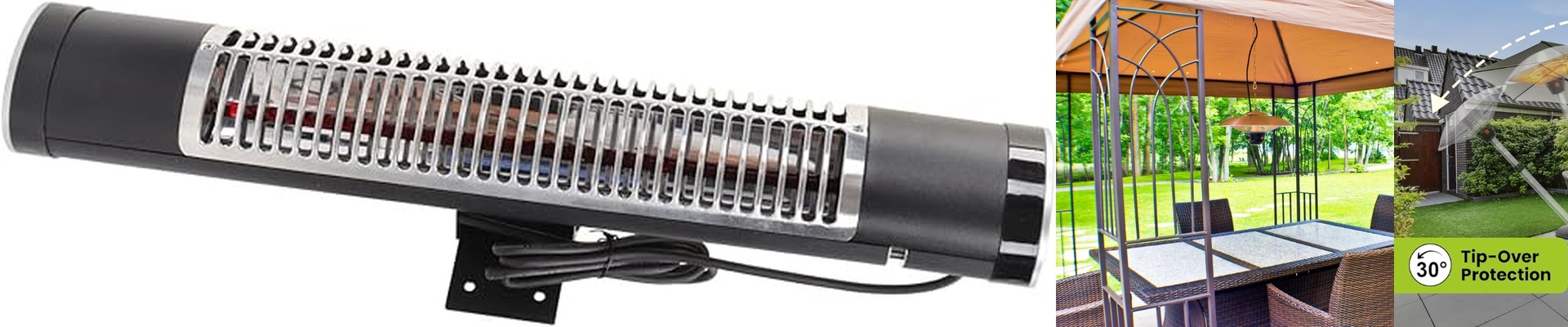
We’ve all been there. You step out of a hot shower into a freezing bathroom, and that old-school heat lamp—the one that looks like a bright light bulb—just isn’t doing the job. Or worse, it flickers and dies because the steam finally got to it. Those basic quartz heaters aren’t really built for the “wet” part of a bathroom. Steam creeps into the housing, shorts things out, and suddenly you’re calling an electrician again. That’s why we’ve moved toward IP66 infrared heaters. They aren’t just “better”—they’re built specifically for the chaos of a steamy bathroom.
What’s the deal with IP66?
If you’re looking at spec sheets, you’ll see “IP44” on a lot of heaters. In the real world? That’s usually not enough if the unit is sitting right above your shower. IP66 is a different beast. It means the unit is basically a vault. We use heavy-duty gaskets and reinforced cable entries to keep everything sealed tight. Whether it’s a direct spray of water or a room full of thick fog, the electrical bits stay bone-dry. It’s the difference between “water-resistant” and “actually protected.”
Heat you can actually feel
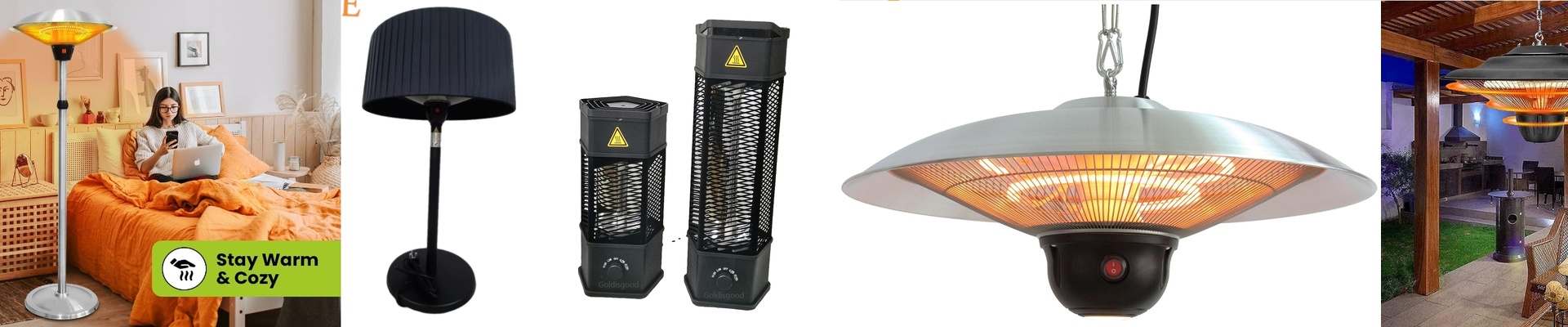
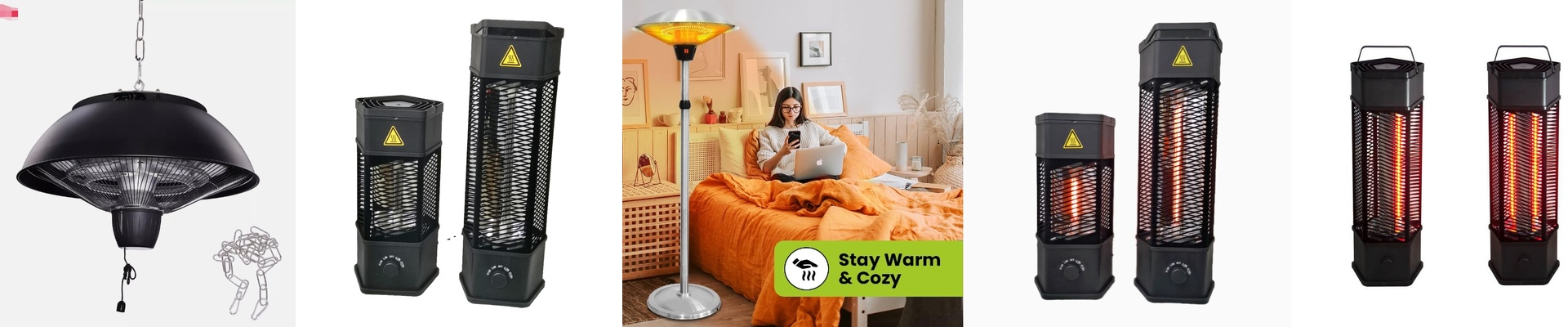
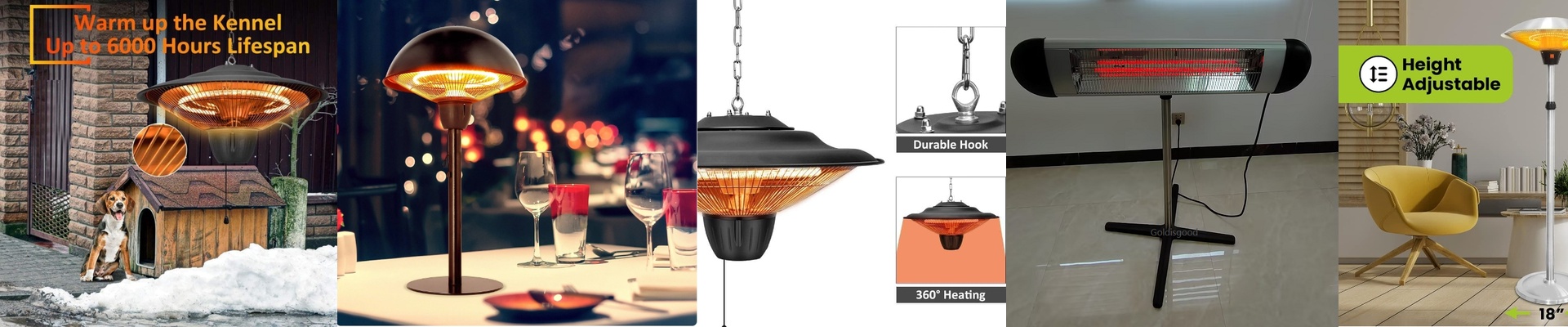
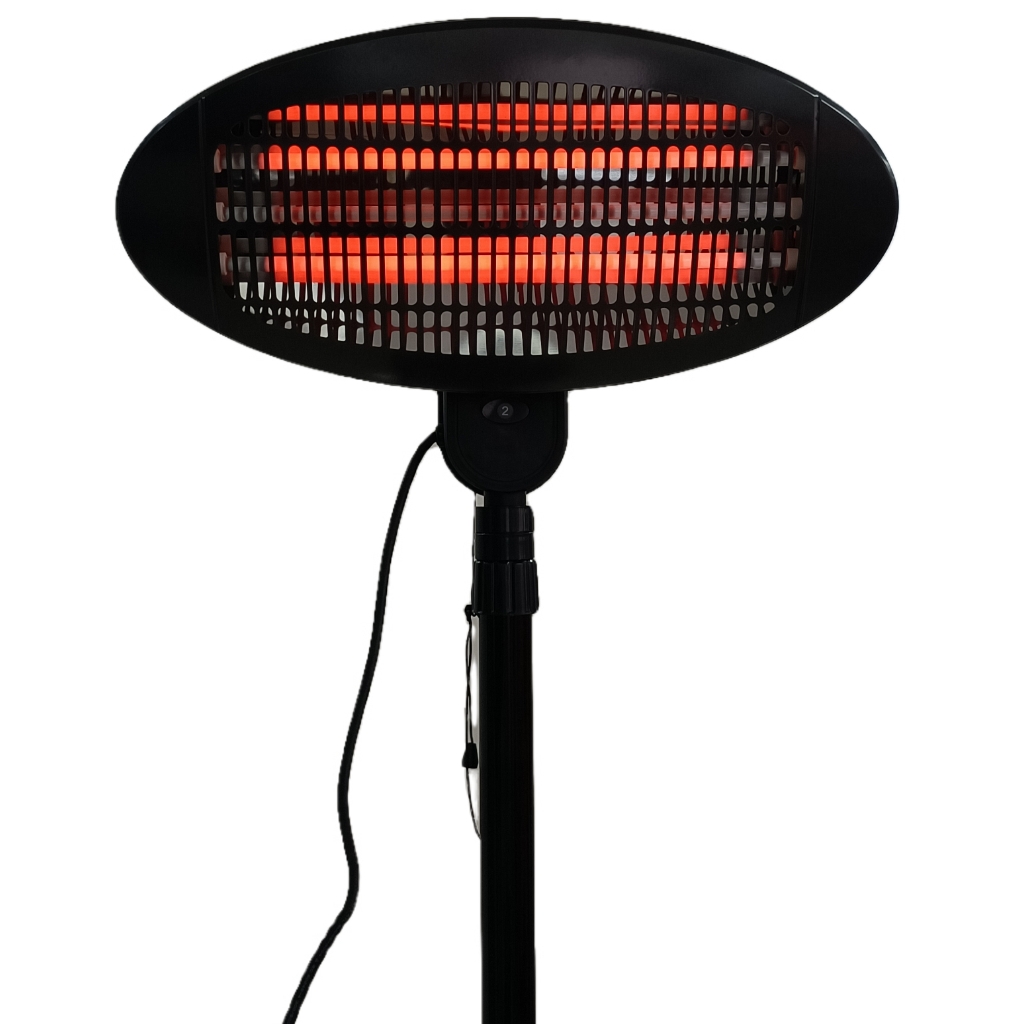
Here is the best part: shortwave infrared. Most heaters try to warm up the air in the room. But bathrooms are drafty, and warm air just floats up to the ceiling where you can’t feel it. Infrared is different. It doesn’t care about the air; it beams heat directly onto your skin and the surfaces around you. It’s instant. You flip the switch, and you feel it immediately. No more shivering while you wait for the room to catch up.
A few things to keep in mind
These aren’t just “plug and play” light bulbs. They pack a punch. Because they provide so much heat, they pull more power. You’ll want to make sure your circuit breaker can handle the wattage so you aren’t tripping the power every time you want a warm morning. Also, these things gethot. Fast. Just make sure you follow the clearance guides in the manual. You want the heat on your shoulders, not scorching your ceiling tiles. At the end of the day, it’s about peace of mind. You wire it in once, the seal keeps the moisture out, and you can stop worrying about corrosion and burnt-out filaments. It just works.