
Halogen Heaters: The Industrial Fix for Fast, Focused Heat
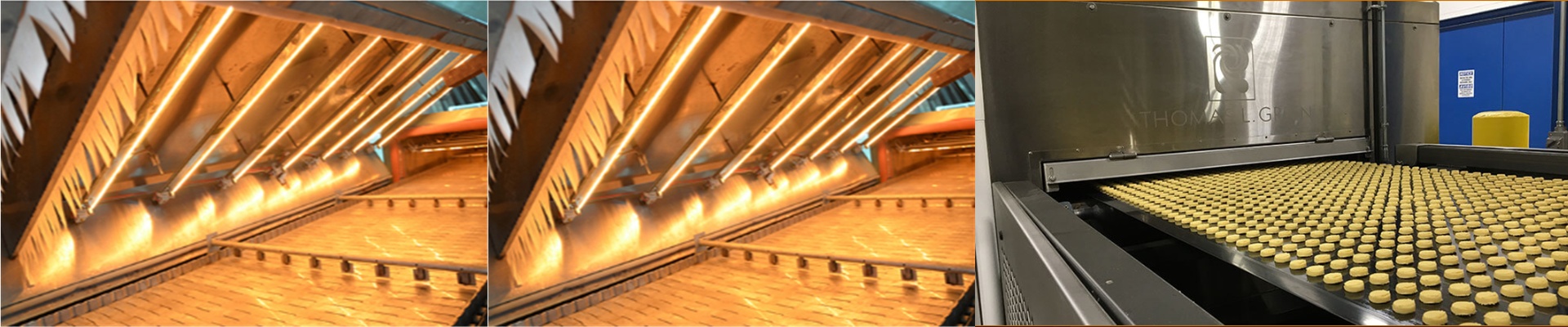
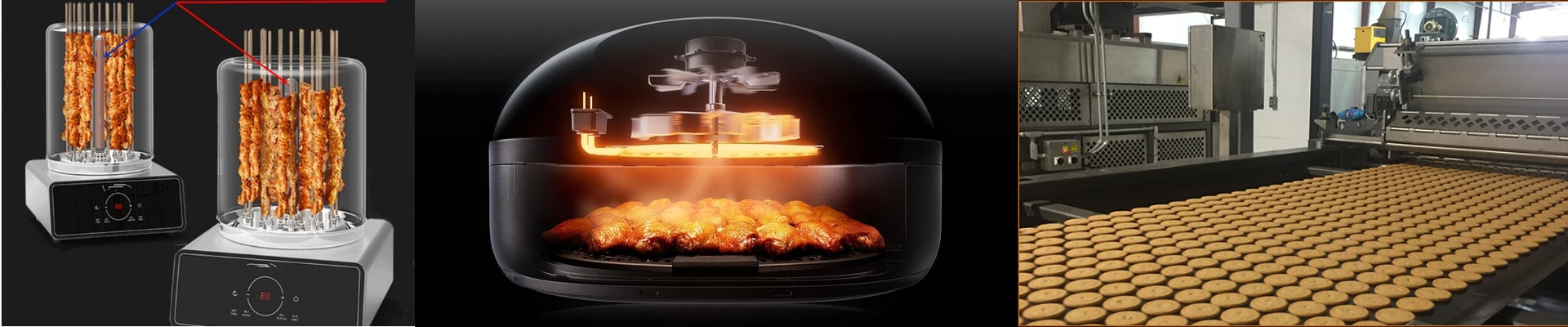
Let’s talk about halogen heaters. They’re the go-to when you’ve got a tight spot on the factory floor that needs to get hot—fast. Seriously fast. We’re talking about a compact, hard-hitting infrared heat source that’s built for industrial machines where space is at a premium and you can’t afford to wait around for things to warm up.
The Power Behind the Heat
Here’s the thing about these heaters: they pack a serious punch in a small package. A 2500W rating on a tube that’s just 300mm long? That’s a lot of heat coming from a footprint that won’t crowd your machine. And when we pair that with 400V, it makes a real difference. The current draw is lower than you’d get with a lower-voltage option, which means you can use smaller wiring and smaller contactors. It also helps cut down on voltage drop over distance. That 300mm length? It’s just right for fitting into the tight spaces of packaging heads, sealers, and small forming stations.
What Makes It Work: Quartz, Coating, and the R7s Connector
Inside, the halogen element is housed in a quartz envelope. Quartz is perfect for this job because it can handle the intense heat of the filament and lets that shortwave infrared heat pass through cleanly. The halogen cycle does its part by keeping the filament clean. That’s what gives you steady output and a longer life than a standard incandescent bulb. And on the back of the quartz, a reflective coating catches any heat that would otherwise go to waste and throws it forward, so more of that wattage actually reaches the target. Then there’s the R7s connector. It’s a double-ended, straight-pin design that gives you a solid, secure fit. It holds everything in place with the right spacing, so the assembly stays consistent.
Real-World Results: Fast, Simple, and Effective
In practice, this whole setup is a straightforward drop-in replacement for older heaters. Think PET blowing preforms, plastic welders, label applicators—places where you need heat, and you need it now. The shortwave output gets surfaces hot quickly without turning the surrounding components into a sauna. But here’s the catch: that 2500W density is powerful. It needs proper cooling and thermal shielding. If you don’t set that up, the nearby electronics and insulation are going to take a serious hit.