
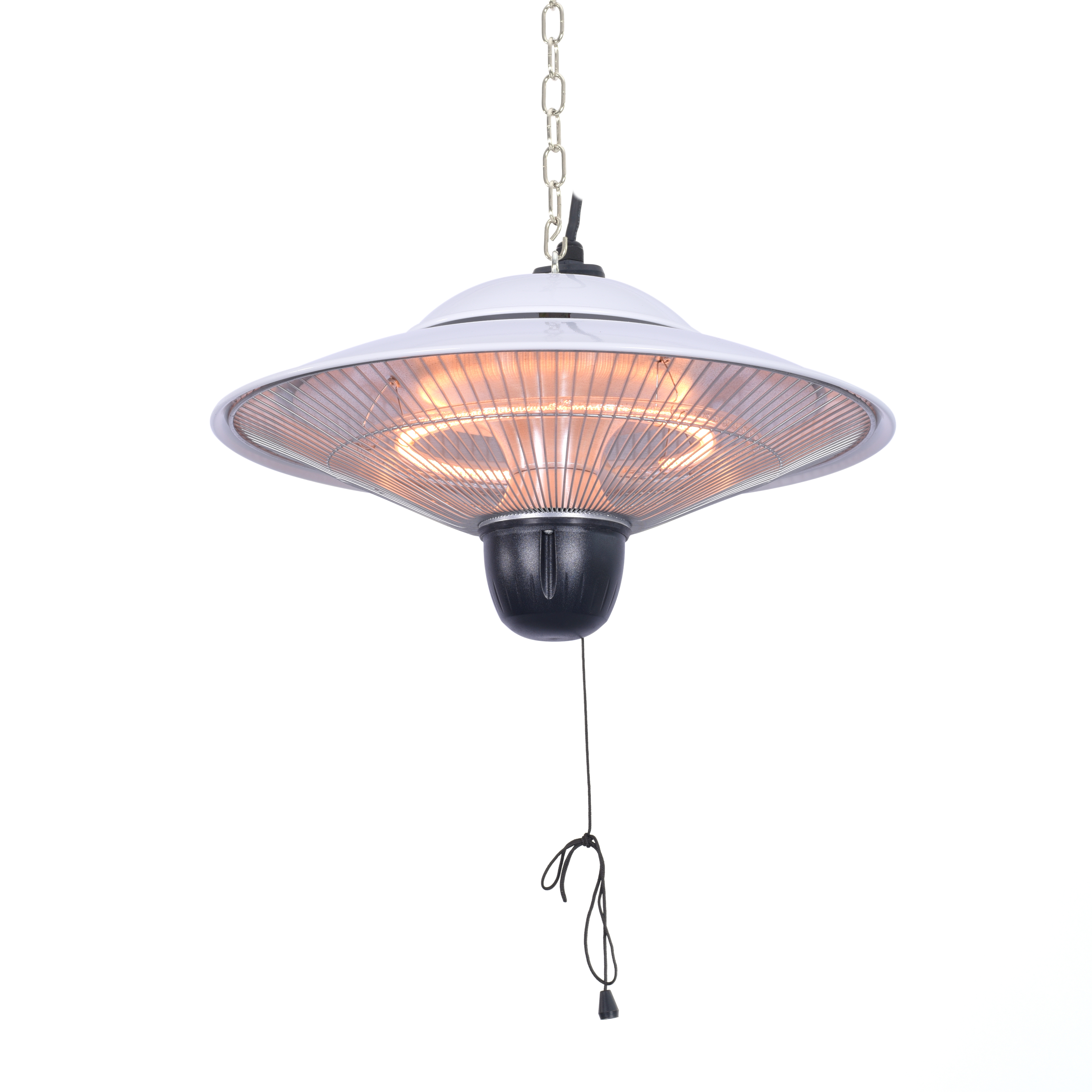
Making Outdoor Heat Actually Smart
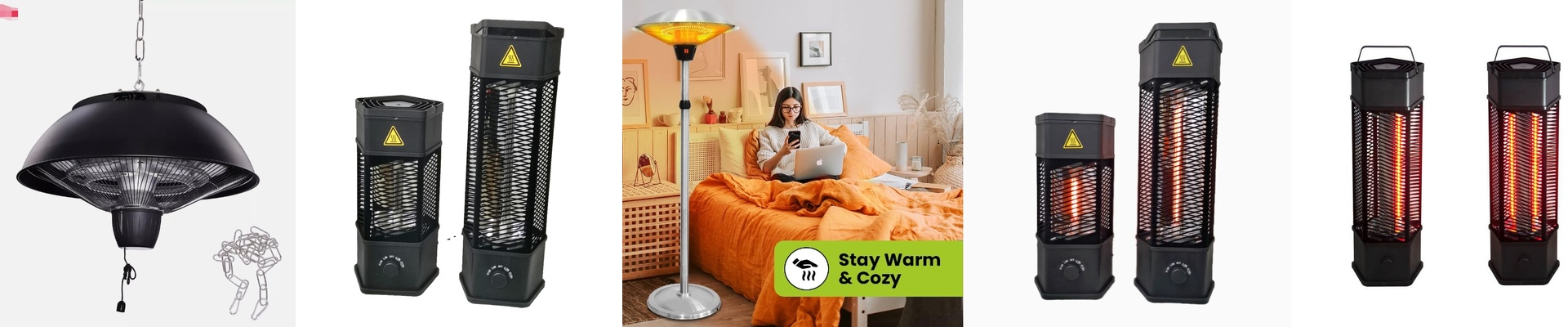
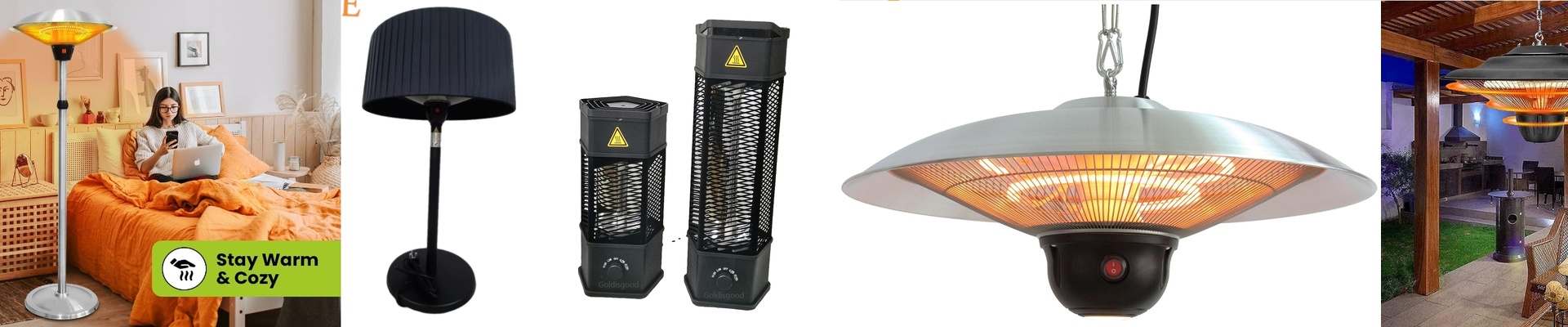
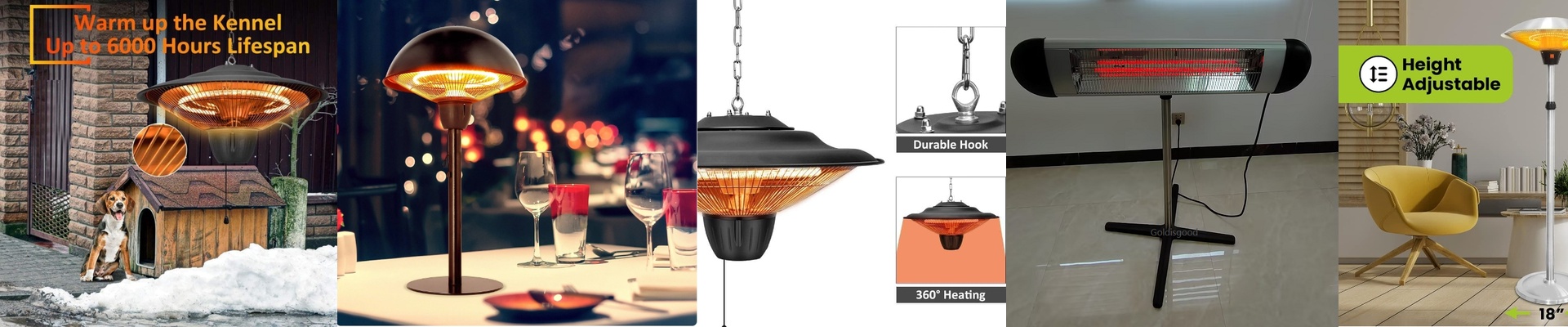
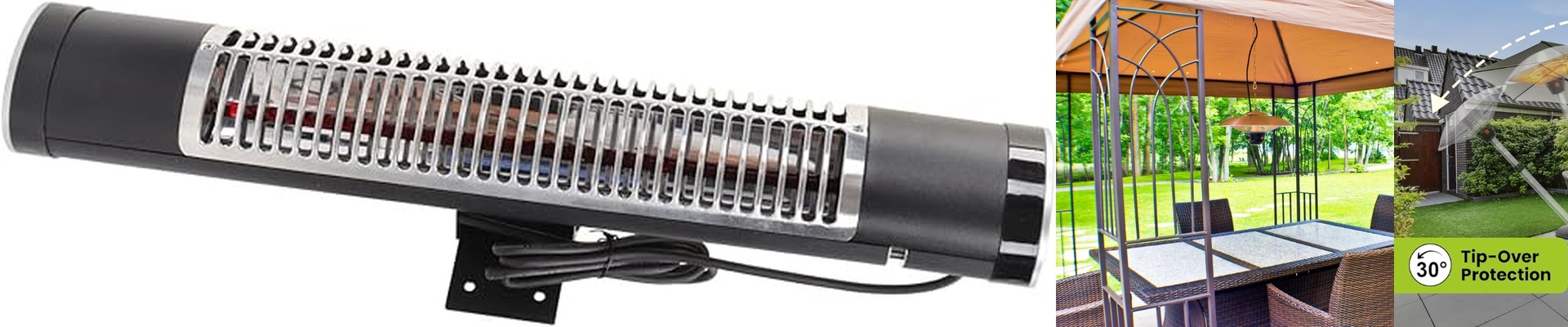
Most outdoor heaters are a pain. You turn them on, wait forever for the air to warm up, and by the time it feels decent, you’re already shivering. Infrared is different. Instead of trying to heat the wind—which is a losing battle—it beams heat directly onto you. It’s like stepping into a patch of sunlight on a cold day. When you hook that up to a smart home system, that “waiting period” basically disappears. The Guts of the Thing To make this work without everything short-circuiting in the rain, we use IP65-rated boxes. Basically, they’re waterproof shells that protect the relays and dimmers. Inside, you’ve got the heavy lifters: quartz tubes or carbon fiber filaments. These need a lot of juice, so we wire them into a gateway using Zigbee or Wi-Fi. The result? You tap a button on your phone, and the heat hits you almost instantly. No fans, no blowing air, just immediate warmth. Getting it to Play Nice The real magic happens when you connect the heaters to outdoor sensors. You can set it up so that the moment the temperature dips, the heat kicks in automatically. But here’s the thing: you have to be careful with your power. If you have a row of 2000W heaters all slamming on at the exact same second, you’re probably going to trip your breaker. We usually stagger the start-up in the software. It’s a small tweak, but it keeps your lights from going out. The Rough Parts It’s not all perfect. Waterproofing is a double-edged sword. The same seals that keep the rain out also trap the heat inside the electronics box. If you don’t vent it right, you’ll literally cook your own circuit boards. Plus, you’ve got to use wiring that can handle the heat. If you use the cheap stuff, the insulation can melt, and that’s a problem nobody wants.