
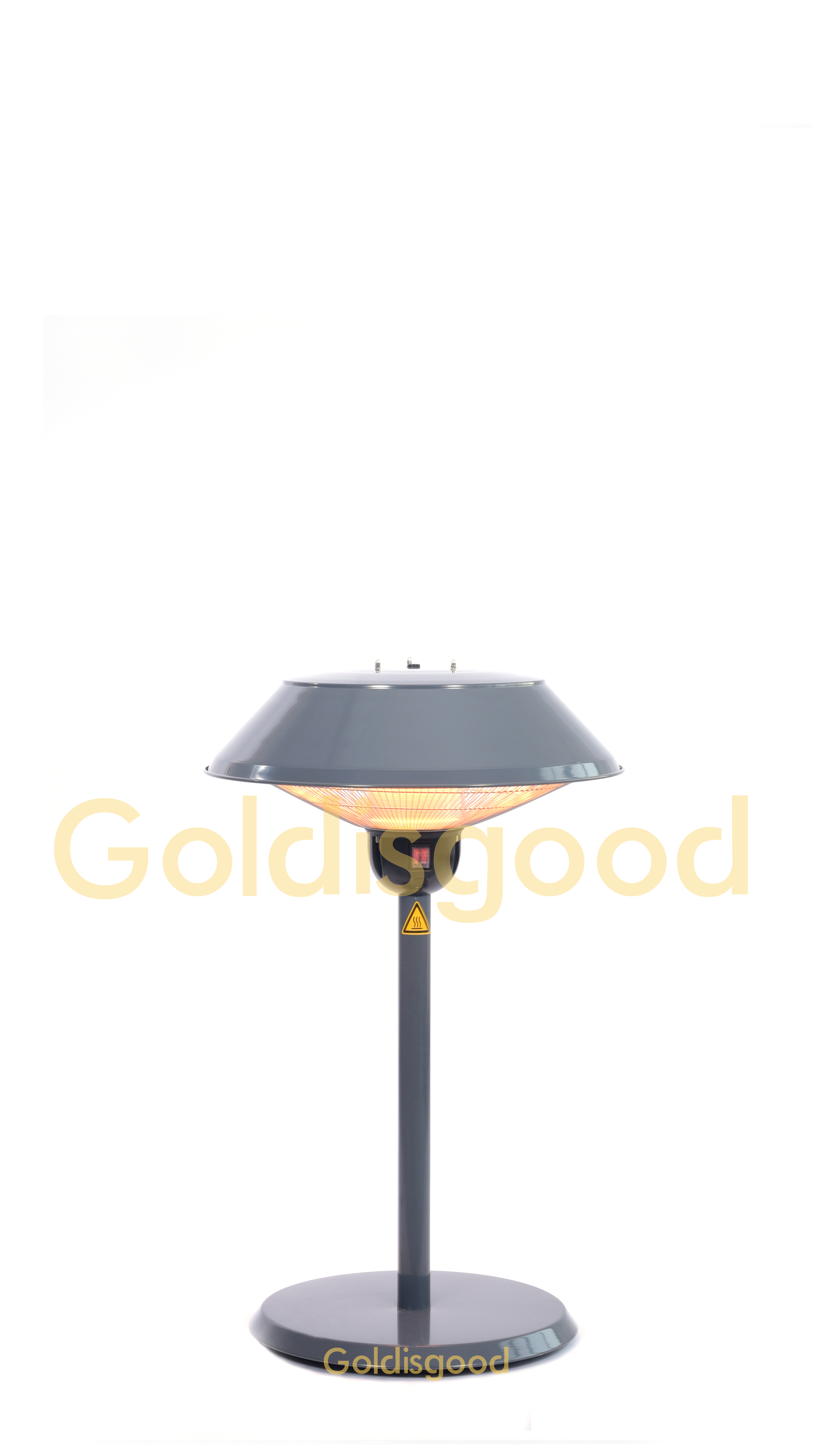
Why we’re ditching old bathroom lamps for waterproof infrared
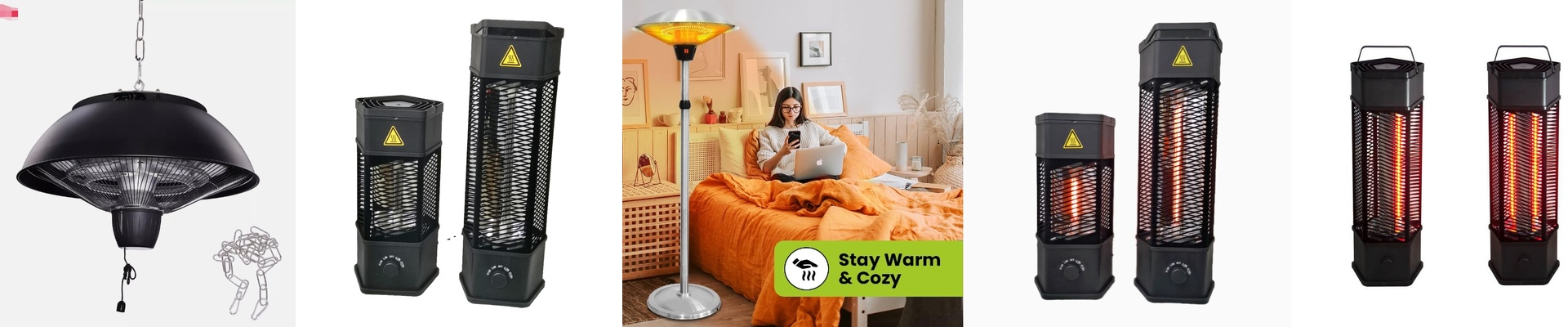
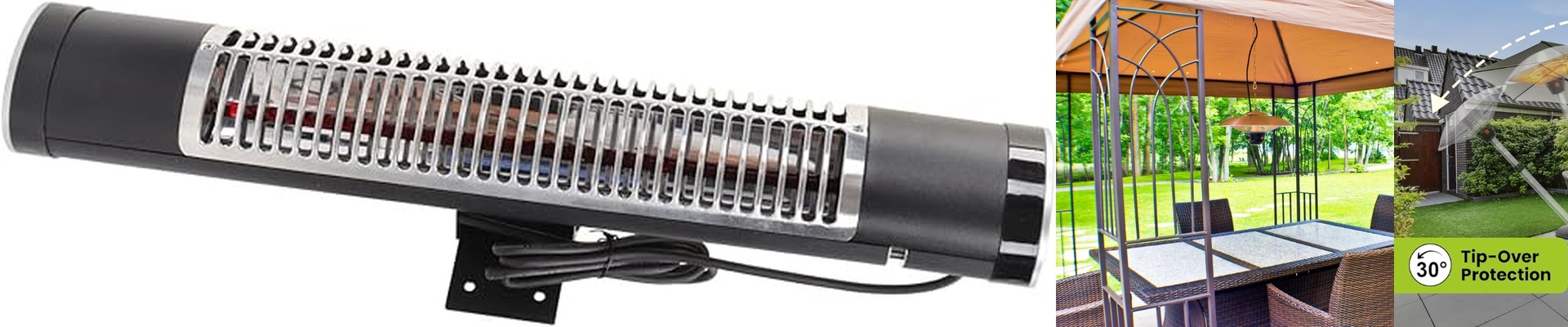
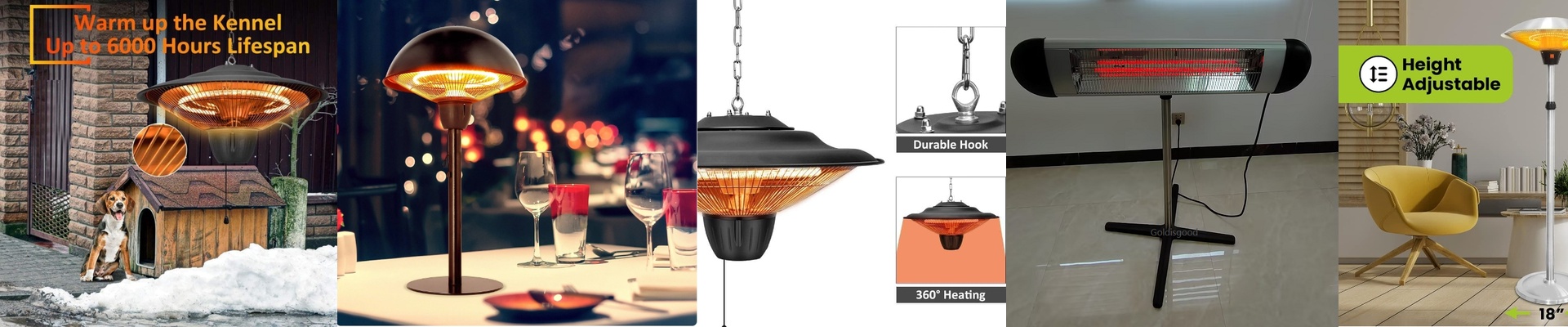
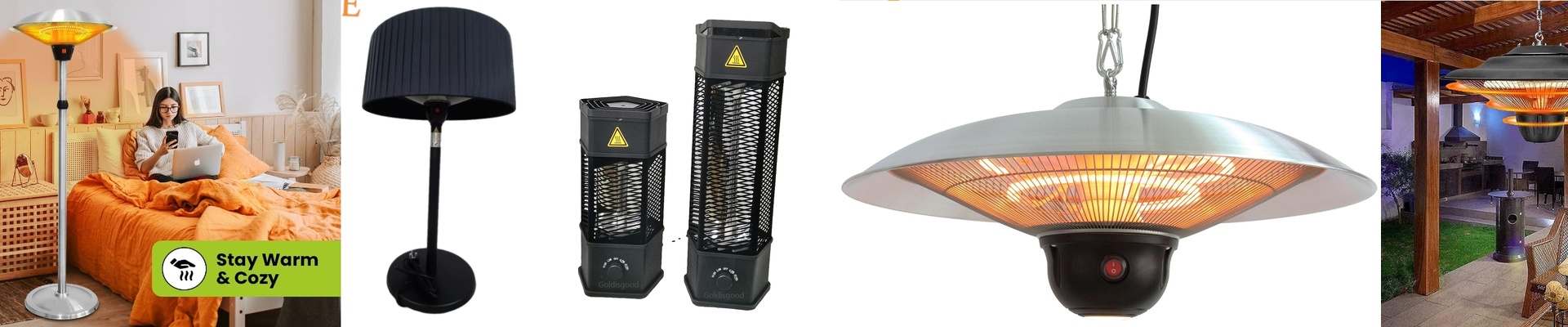
Ever stepped out of a hot shower into a bathroom that feels like a walk-in freezer? We’ve all been there. For years, we relied on those old-school lamp heaters. They’re basically just big lightbulbs that get hot. The problem is, they try to warm up the air, and in a drafty bathroom, that warm air just disappears the second it hits a cold tile wall. That’s why we’ve moved toward waterproof infrared systems. It’s a different way of thinking about heat. It’s all about the feel Instead of fighting the air, infrared goes straight for you. It’s radiant heat. Think of it like standing in the sun on a crisp autumn day—the air is still chilly, but your skin feels toasted. We use quartz envelopes to focus that energy. It means you don’t have to wait ten minutes for the room to “warm up.” You flip the switch, and you feel it instantly. No more shivering while you’re trying to dry off. Dealing with the steam Here is the real killer: humidity. Steam loves to find its way into electronics. In a cheap heater, moisture seeps into the housing, shorts something out, or burns the filament. We’ve obsessed over the seals. We use heavy-duty gaskets and special coatings to keep the water out. The most critical spot is where the lamp holder meets the chassis. If a tiny bit of moisture leaks in and hits that red-hot quartz tube? Crack. Thermal shock. And once that tube cracks, the whole thing is junk. We build ours to make sure that doesn’t happen. A few things to keep in mind Now, you can’t just swap one of these into an old socket and call it a day. These units pull more power than those old bulbs. If your wiring is ancient or your circuit is already overloaded, you’re going to trip your breakers. It’s worth having a pro check your wires first. Placement matters, too. Infrared is directional—it beams heat in a specific path. If you mount it too high, you won’t feel a thing. Too low, and you’re basically baking your towel rack. We build these things to survive splashes and steam, but they only work if the electrical setup can actually handle the load. Get that right, and you’ll never dread the post-shower chill again.