

Stop Fighting Your High-Ceiling Heaters
Let’s be honest: putting heaters in a factory with massive ceilings is a logistical nightmare. When a heating element burns out 10 meters up, it’s not just a quick fix. You’re suddenly renting a scissor lift, blocking your main production aisles, and watching your payroll bleed out while the floor stays cold. It’s a headache nobody needs. We got tired of that cycle, so we changed how the radiators are built.
The “Swap and Go” Method
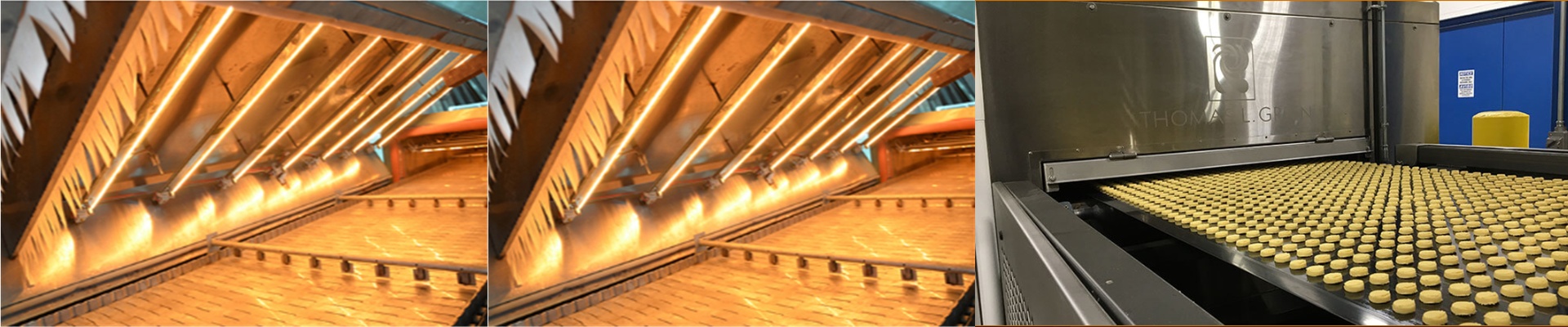
Most industrial heaters are a mess of hard-wiring. If one tube goes, you usually have to rip the whole unit down to fix it. We did things differently. We put the heating elements into independent cassettes. Think of it like a plug-and-play system. Eventually, a tube will hit its limit—usually around five years in, depending on how hard you run them. But instead of tearing down the whole rig, you just swap that one specific module. We use quick-connect terminals, so your tech can just slide the dead element out and drop a new one in. What used to be a half-day ordeal now takes about 15 minutes.It’s that simple.
The Trade-off: Power vs. Wear
Because we’re fighting cold air sinks in giant warehouses, these modules have to pack a serious punch. We’ve pushed the wattage per inch high so the heat actually reaches the floor. But there’s a catch: that kind of density puts a lot of stress on the connectors. To keep things from overheating or oxidizing, we used high-temp alloys at the contact points. Just a heads-up: make sure your wiring is rated for the peak current. You don’t want voltage drops messing with your heat because of a long cable run.
What This Actually Means for Your Floor
The best part? No more nightmare rewiring sessions on a lift. You won’t be stripping wires or crimping lugs while balancing 30 feet in the air. You just pull the module, swap it, and flip the power back on. It keeps your maintenance window tiny and your aisles open. You get the heat you need without the drama.