
Getting the Heat Right: Sidel Matrix Lamp Replacements
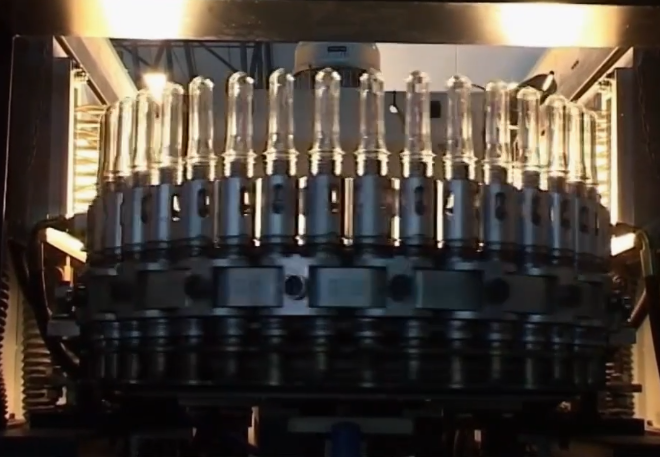
Here is the problem when you swap out OEM lamps for third-party ones in a Sidel Matrix blower: the temperature curve usually shifts. It sounds like a small thing, but if that heat density is off by even a fraction, you’re in trouble. Your PET preforms will either stay too cold—giving you those annoying uneven walls—or they’ll overheat. And once you see that pearlescence or structural failure, you know you’ve got a mess on your hands. Matching the vibe of the original We don’t just look at the wattage and call it a day. That’s a rookie mistake. We focus on the spectral output. By dialing in the voltage and the filament diameter, we make sure the lamp actually hits the same operating temperature as the factory part. The best part? Since the parameters match 1:1, your existing PID controllers just work. You don’t have to spend your afternoon reprogramming oven profiles or guessing why the heat is drifting. The nitty-gritty on fit and finish We use high-purity quartz glass because nobody wants their lamps clouding up early. The connectors are designed to just slide right in. No hacking at your wiring harness, no “making it fit.” We’re also obsessed with the length of the heating zone. If the active filament is off by even 5mm, your heat distribution goes sideways. That’s how you lose your blowing consistency. A quick reality check Now, here is the thing. High-wattage shortwave lamps provide the fast heat-up times these machines need, but that puts a lot of stress on your reflectors. If your mirrors are pitted or oxidized, it doesn’t matter how perfect the lamp is—you aren’t going to hit your target temperature. Keep those reflectors clean. It’s the only way to actually get what you paid for. We build these things to take a beating. By keeping the electrical resistance tight, we stop the lamps from popping when you hit a voltage spike. You get the same heating curve as the original equipment. You just don’t have to pay the “OEM tax” to get it.