
Getting Your Smart Kitchen Heat Right: The Truth About Infrared Lamps
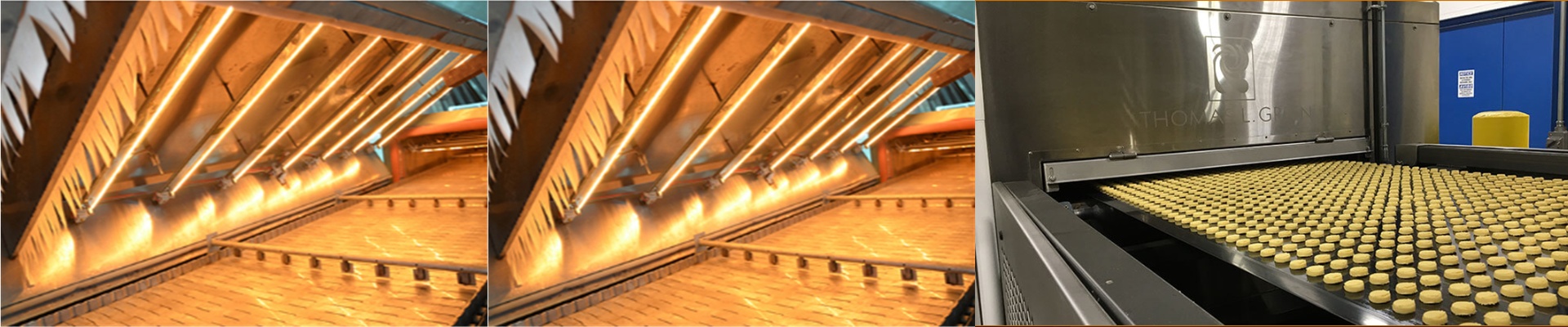
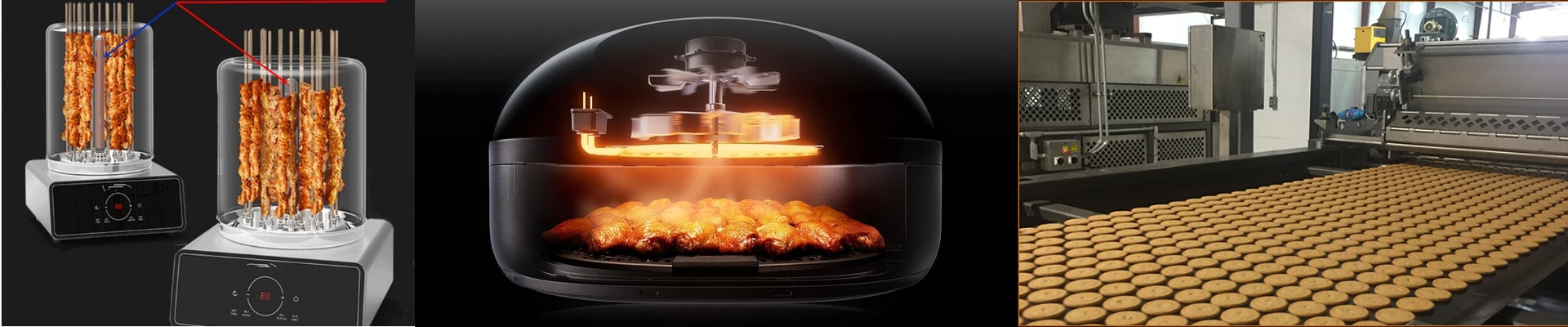
If you’re building an AI-driven kitchen, you know the struggle. You’re fighting for those tiny temperature windows where food is perfectly cooked—not scorched on the outside and raw in the middle. That’s why we don’t just make “heaters.” We build infrared lamps that actually follow a specific thermal profile. It’s the difference between a heat gun and a precision tool. The wattage trap Here is where most designs go sideways: matching the power to the actual size of the oven. If you cram a high-wattage tube into a tiny chassis, you’re creating a heat bomb. Sure, it ramps up fast. But if your cooling fans and wiring aren’t built for that kind of ambient load, things start to melt. On the flip side, if your voltage is too low, you’ll get cold spots on the baking tray. Nobody wants a pizza that’s cooked on the left and doughy on the right. We customize the length and power so the heat hits the food evenly, every single time. Glass, connectors, and the “deep cook” We use high-purity quartz glass for the filament. Why? Because smart ovens cycle on and off rapidly, and that puts a ton of stress on the material. Cheap glass cracks under that kind of thermal shock. Quartz just handles it. For the plugs, we stick with R7s or SK15 bases. They aren’t fancy, but they work. They keep the electrical contact tight so you don’t deal with arcing or burnt-out sockets when the load gets heavy. And if you need the heat to soak deep into the dough rather than just searing the crust? We can coat the tubes to shift the spectrum. It’s a subtle tweak that makes a huge difference in the final bite. The trade-offs you need to know Precision isn’t free. To get that pinpoint temperature control, you can’t just plug these in and hope for the best. You need a solid PID controller and SSRs to pulse the lamps. Please, do yourself a favor:**don’t use a cheap dimmer.**It’ll kill your lamps way faster than they should die. One last tip: be careful with the installation. Make sure the quartz tube is supported without any mechanical stress. Even a tiny bend in the glass can lead to a snap once it gets hot. When the hardware is set up right, these lamps give AI systems the instant response they need to keep the food perfect.