
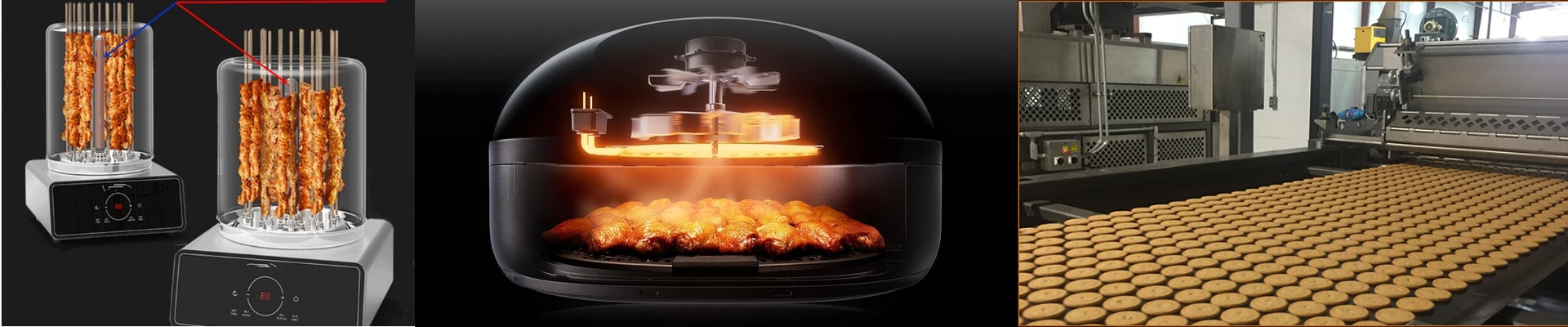
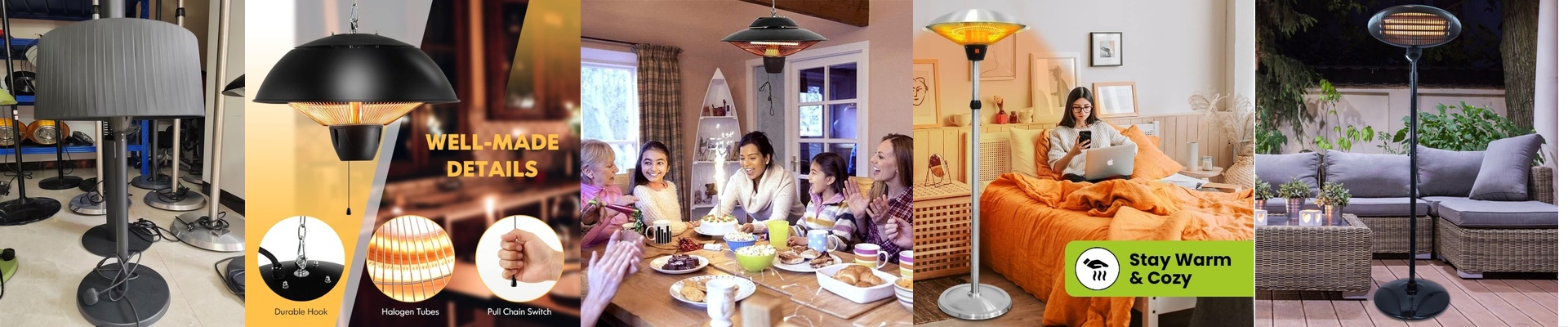
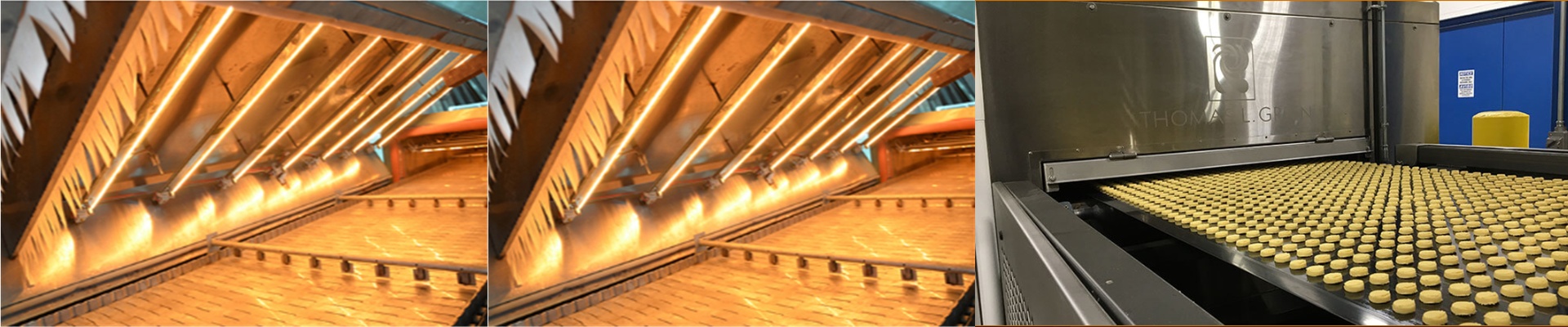
Ever notice how some parts of your industrial oven just… don’t get hot? Those cold spots are a nightmare. You end up tossing a huge chunk of your product in the scrap bin because it didn’t cook evenly. If you’re relying only on forced air, you’re fighting a losing battle. We found a better way: adding infrared ceramic heaters into the mix. It creates a thermal balance that actually works. How the heating actually works Standard convection is all about moving air. But infrared is different. It sends radiant energy straight into the surface of whatever you’re heating. When you pair those ceramic elements with your fans, you get the best of both worlds. The air keeps moving, but the ceramic heaters provide a steady, constant flow of heat. No more “dead zones.” No more undercooked patches. The nitty-gritty on the gear We build these heaters using high-alumina ceramics. Why? Because the constant heating up and cooling down would crack cheaper materials. You can pick the wattage that fits your oven’s size. Higher wattage gets you up to temperature faster, but just a heads-up: check your wiring first. You don’t want to overheat your terminals because you pushed too much current through the lines. Getting it running (and a few warnings) Putting these in is pretty simple. They either slide right into your current heating banks or you can add them as an extra boost. You’ll notice the temperature stays tighter and your waste drops. But, there are a couple of things to keep in mind. Ceramic heaters have more “thermal inertia” than quartz lamps. In plain English? They take a bit longer to warm up and a bit longer to cool down. If your process needs a “light switch” kind of instant response, you’ll need to tweak your PID controllers to handle that lag. Also, give your product some breathing room. If the heater is too close to the surface, you’re going to scorch it.