
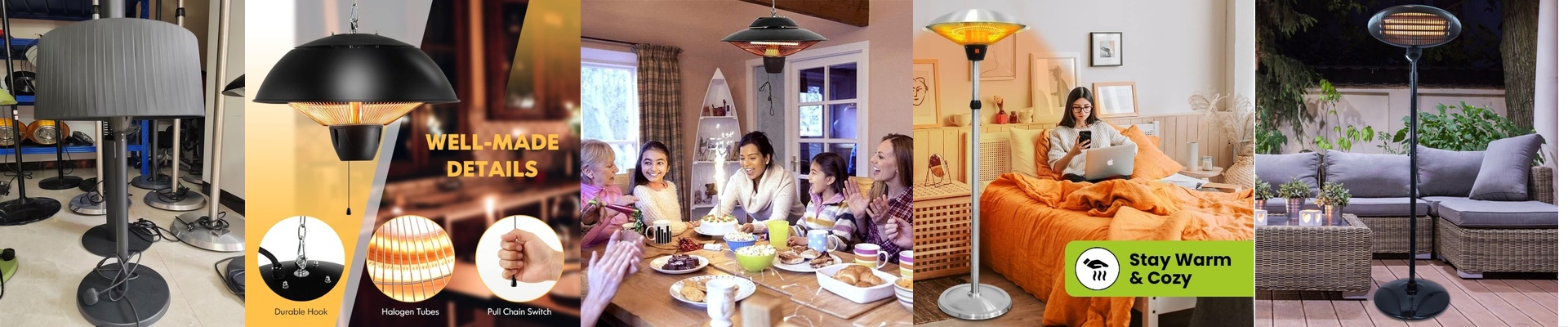


Winter in a dorm room turns into a quiet standoff with the building’s thermostat. Central heat kicks on and off on its own schedule, leaving a chill that settles right down to your bones while you’re trying to study. Traditional space heaters just push air around, stirring up dust and leaving you with that dry, scratchy feeling. What if your warmth felt more natural—like standing in a patch of sunlight—and actually worked with how your body feels?
What matters, technically
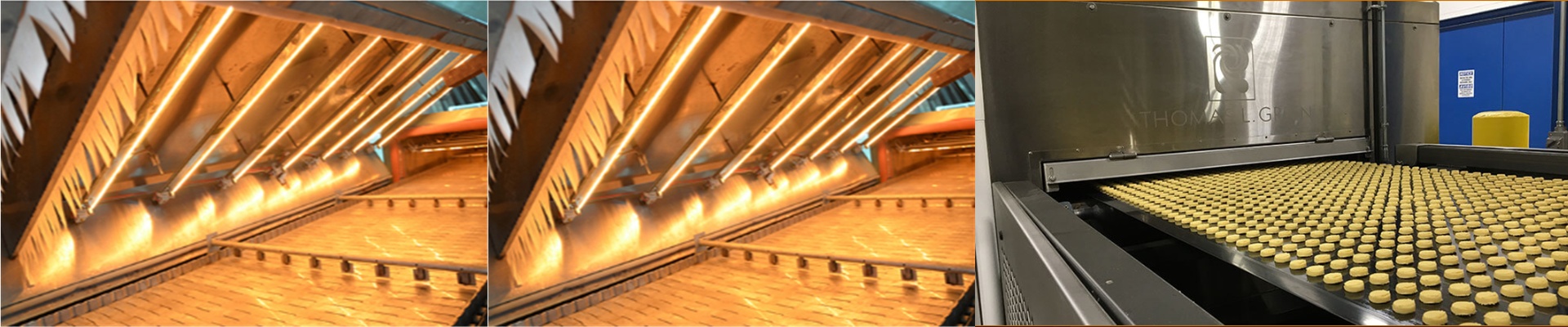
Infrared dorm heaters deliver radiant warmth, the same kind of gentle heat you get from the sun, just without the UV. We use targeted infrared elements that emit heat in specific wavelengths. That heat travels in straight lines, warming people and surfaces directly instead of heating the air first. In a compact room, you feel comfort faster—often within seconds of turning the unit on. Many models run on standard 120V outlets, draw between 400–1500W depending on size, and sit on a desk or floor without crowding your space. Look for a built-in thermostat for steady comfort, tip-over protection for safety, and a cool-touch housing that stays safe in tight quarters.
Why it fits a dorm
A dorm room is your workspace, study nook, and bedroom all in one. Air-based heaters can make the space feel stuffy and kick up allergens. Infrared warmth leaves the air feeling fresher because it doesn’t rely on blowing air around. You get immediate comfort that makes your hands and feet usable again, which helps you stay focused. Because the heat is directional and efficient, you warm the spot you’re actually in without wasting energy on the whole room. The result is a steadier, cozier feel—calmer, and easier to breathe in.
Things to know
Infrared heaters are straightforward, but a few practical points matter. Position the unit so the infrared beam covers the area you occupy, and keep a clear distance of 3–6 feet from objects and people. These heaters shine for personal space heating. If you need to warm a larger common area, step up to a higher-wattage model or add a second unit. Radiant heat warms what it directly “sees,” so walls and furniture will warm up too—arrange your desk and chair to get the most even feel. And as with any electric heater, avoid extension cords when you can. Plugging straight into the wall is the safest move.