

Stop Fighting Bathroom Mold: A Better Way to Dry Out
Most bathroom heaters are pretty basic—they just warm up the air. But if you’ve ever stepped out of a shower into a room that feels like a sauna, you know that doesn’t actually solve the moisture problem. That’s why we built our infrared lamps differently. Instead of just heating the air, these target the water molecules clinging to your walls and ceilings. It’s less about “warming the room” and more about actively pushing the dampness out so mold doesn’t have a chance to move in.
How it actually works
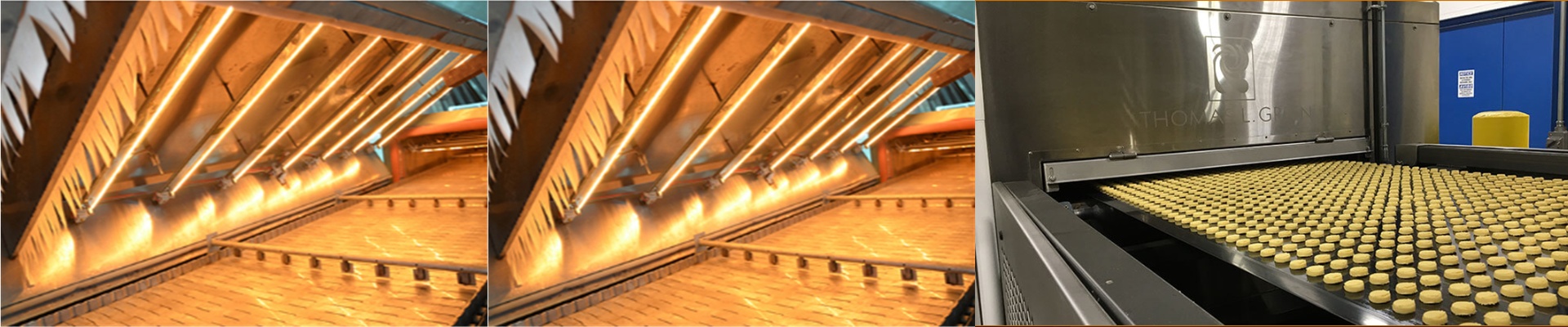
We use something called short-wave infrared (SWIR). Think of it like the sun hitting your skin on a clear day. It doesn’t wait for the air to get warm; it goes straight through to the surface of your walls. When the wall itself stays warm, water can’t condense on it. No droplets, no damp patches, and no breeding ground for spores. Simple as that. Now, because this is a bathroom, we didn’t mess around with the build. Everything is IP65-rated. That’s just a fancy way of saying it’s sealed tight. Steam and splashes stay out, and the electronics stay dry. Without that seal, the high voltage inside would just corrode and die within a few months. Nobody wants that.
The honest trade-offs
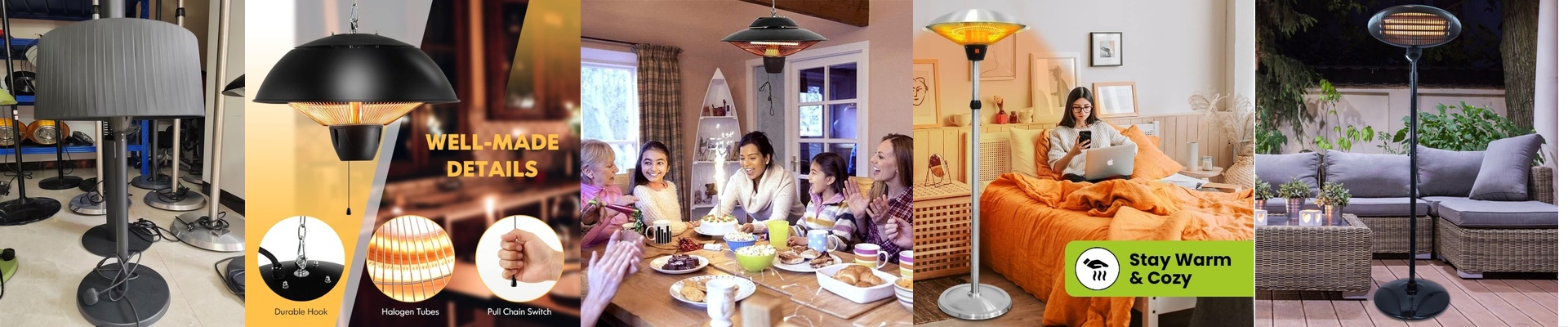
Here is the catch: this heat is directional. It goes exactly where the lamp is pointing. If you tuck the lamp in a corner where it can’t “see” the shower wall, that wall stays damp. You have to be smart about where you put them. Look at your layout, find where the steam hangs out the most, and point the light there. As for the install, it’s a breeze. It fits into a standard circuit, though you’ll want to double-check that your breakers can handle that first little kick of power when the elements fire up.
Breathing easier
The best part? You aren’t relying on those loud, clunky exhaust fans for hours or using weird chemical dehumidifiers. The lamps flash-dry the surfaces, pushing the moisture into the air where your ventilation can actually whisk it away. It’s a mechanical fix for a biological headache. You aren’t just making the room cozy—you’re actually taking care of your home.