
Getting Your Sidel Matrix Heat Just Right
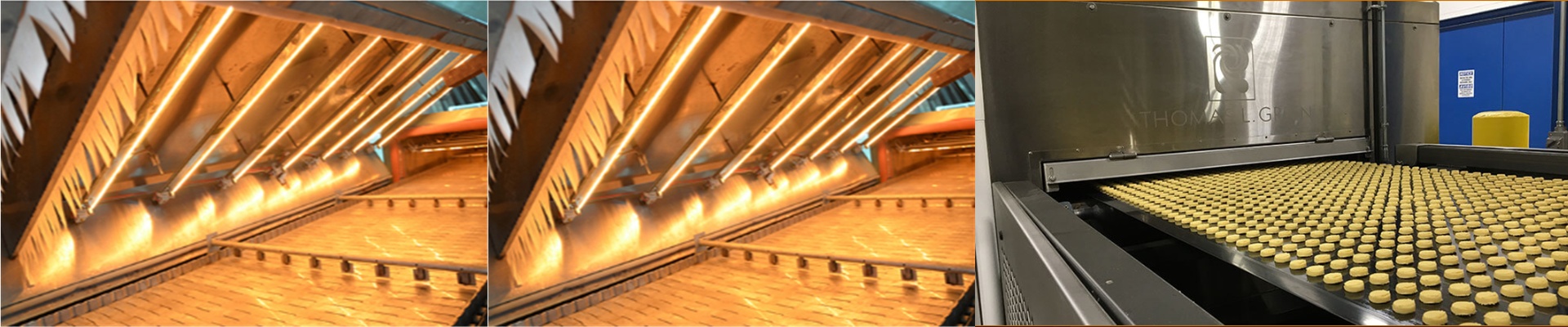
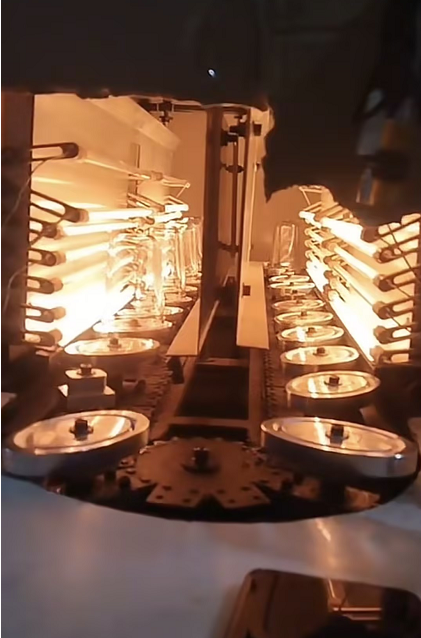
Here’s the deal: when you swap out infrared lamps in a Sidel Matrix oven, you’re playing a risky game with your temperature curve. If the wattage or wavelength is even a tiny bit off from the original, you end up with uneven preheating. And that usually means distorted PET bottles. Not a great look. That’s why we build our quartz heater tubes to be a mirror image of the OEM electrical and thermal footprint. The nitty-gritty on the specs We don’t do guesswork. To make sure your temperature ramp-up feels exactly like it did the day the oven left the factory, we match the voltage, wattage, and filament length down to the micron. If a tube is meant for 230V/1500W, it stays at that exact power density from one end to the other. We use high-purity quartz glass so the shortwave radiation hits the PET preform hard, instead of just wasting energy heating up the air around it. Fit and finish Our tubes use a halogen-filled cycle. It’s a simple detail, but it keeps the filament from burning out too early. As for the install? It’s a breeze. We use standard industrial connectors, so you don’t have to mess with your wiring. You just drop them in and you’re done. We also obsess over the emissivity of the quartz. If the glass is too thick or the coating is slightly off, you’ll get “cold spots” in your heating zone. We make sure that doesn’t happen. A quick heads-up on your reflectors You’re getting the same heat density as the original lamps, but there’s a catch. High-wattage shortwave tubes put a lot of stress on your reflectors. If your reflectors are pitted or oxidized, even a perfect 1:1 matched lamp isn’t going to hit the target temperature. It’s like putting a brand new bulb in a dirty flashlight. Keep those reflectors clean to get every bit of power out of the tube. We’ve handled the electrical load and thermal output on our end. All you have to do is wire them up and get back to production without having to spend hours recalibrating your entire oven profile.