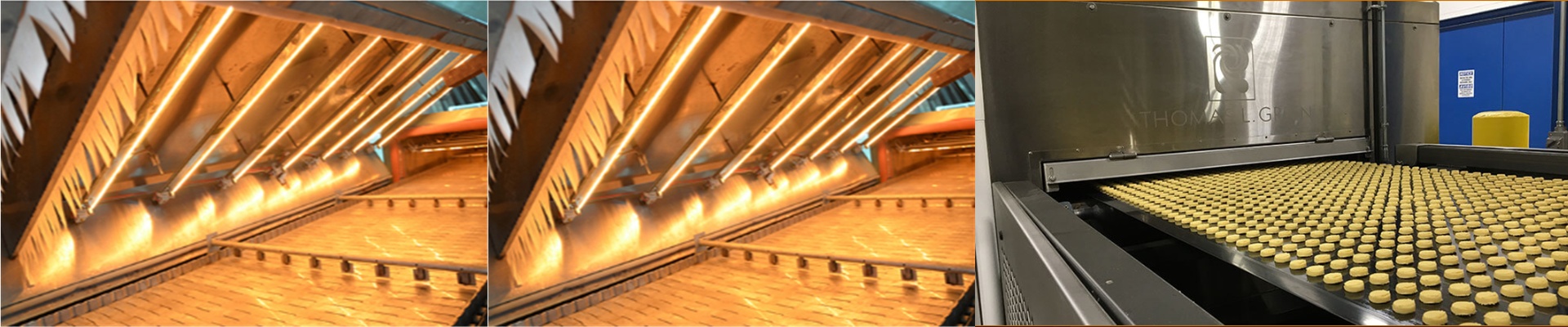

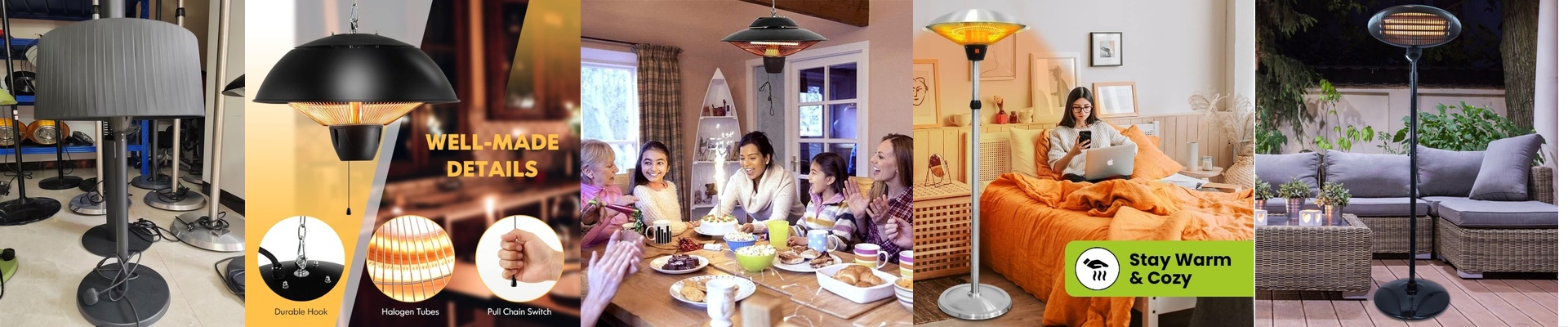


Why We Put Every Bathroom Heater Through the Wringer
Here’s the thing about bathrooms. They’re brutal on electronics. The constant steam and humidity will chew through most electrics in no time. So when we build a bathroom mirror heater, we have one big question: will this thing actually last after thousands of cycles, stuck in a hot, wet box? That’s why we burn-in every single unit. We put it through serious damp-heat aging. No shortcuts.
Power, Voltage, and Keeping It Tight
We designed these heaters to be a compact powerhouse. The goal is simple: get the surface hot, fast, without taking up a ton of space. These units pack a punch, often running around 2500W. We run them on a high voltage supply, usually 400V. Why? Because higher voltage means lower current. That keeps the voltage drop down and lets you use thinner wiring in those cramped spots behind the mirror. And the length? We keep it short, around 300mm. So it fits behind the mirror without forcing you to redesign the whole mounting frame.
The Good Stuff: Halogen, Quartz, and a Smart Connector
Inside, the lamp uses a halogen-filled infrared element, all sealed inside a quartz envelope. Quartz is tough. It handles the heat shock and doesn’t get eaten away by moisture like standard glass would. The halogen cycle is the secret sauce. It keeps the output steady by putting the evaporated filament material right back where it belongs. So the performance stays consistent over time. Then there’s the connector. We use an R7s base—a double-ended, sliding-contact design. It holds the load securely and makes replacement in the field easy. It’s a solid, proven industrial interface, not some flimsy pin system.
What the Aging Test Actually Proves
Bathrooms are hard on things for two main reasons: condensation and the constant heating and cooling. So we put our heaters through an aging test that recreates those conditions in a controlled chamber. We crank up the heat and the humidity and watch what happens. We’re looking for any drift in output, any corrosion at the base, or any tiny cracks that could let moisture in. Now, there’s a trade-off. High-wattage infrared heat gives you that fast response, but it also means the surrounding housing and wiring need to be rated for the heat. Make sure your enclosure has proper ventilation and use heat-rated looming. Otherwise, you’ll end up cooking the insulation. This is why we age every single lamp. If it can survive our test chamber, it has a real shot at surviving your customer’s bathroom.