

Basements have a way of turning comfort into a damp, clinging chill. You know the feeling—cold that seems to seep right through the walls. A standard heater can churn out air, but it still leaves surfaces cold, and you end up shivering at your desk. The issue isn’t just the temperature. It’s the wet-cold that works its way into your bones, drags down your focus, and feeds mold.
What matters under the hood
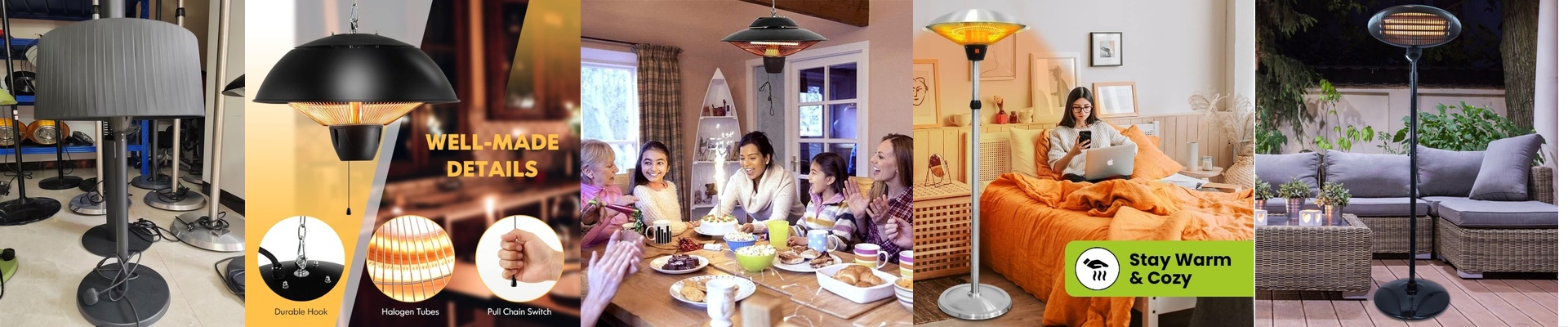
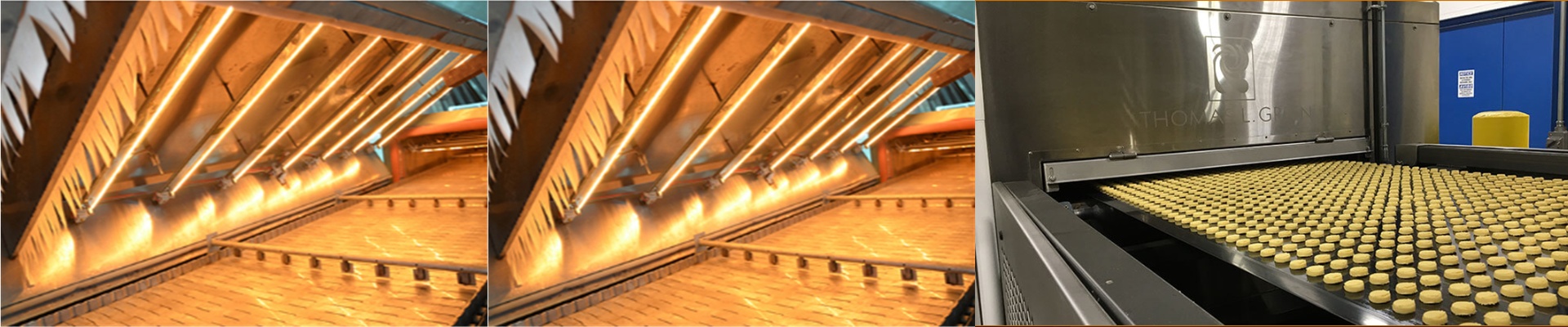
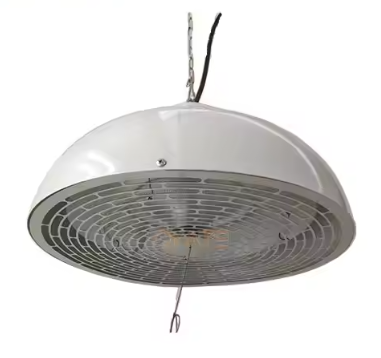
We built this wall-mounted infrared heater around radiant heat—the kind that travels like sunlight and warms people and objects directly, not the air around them. Inside, a carbon fiber element sits in a quartz tube, giving you instant, focused warmth with low power draw. Pick the 400W option for a personal desk zone, or go with 800W for a larger basement nook. It runs on standard 120V, plugs into a nearby outlet, and the compact profile sits tight against the wall so you don’t lose workspace. A built-in thermostat keeps output steady, and tip-over protection shuts the unit off if it gets bumped.
Why it works in a basement
Infrared shines down there because it targets the surfaces that feel cold—your chair, the desk, the floor—while leaving the air less disturbed. You feel warm faster, without the drafty swings you get from forced-air units. Because the warmth is local, you use less energy to keep the area around you comfortable, and the steady heat helps cut that clammy, uninviting feel basements are known for. The payoff is a desk that stays usable on the coldest nights, with warmth that supports circulation and eases stiff shoulders.
The practical details
For best results, mount the unit 5 to 6 feet above the floor, angled slightly down toward the seating area, and keep it clear of curtains or shelving. It’s designed for indoor, dry-to-damp locations—handles typical basement humidity, but it’s not rated for direct water exposure. If your walls are concrete or block, use anchors rated for the load and confirm local electrical code for outlet placement.