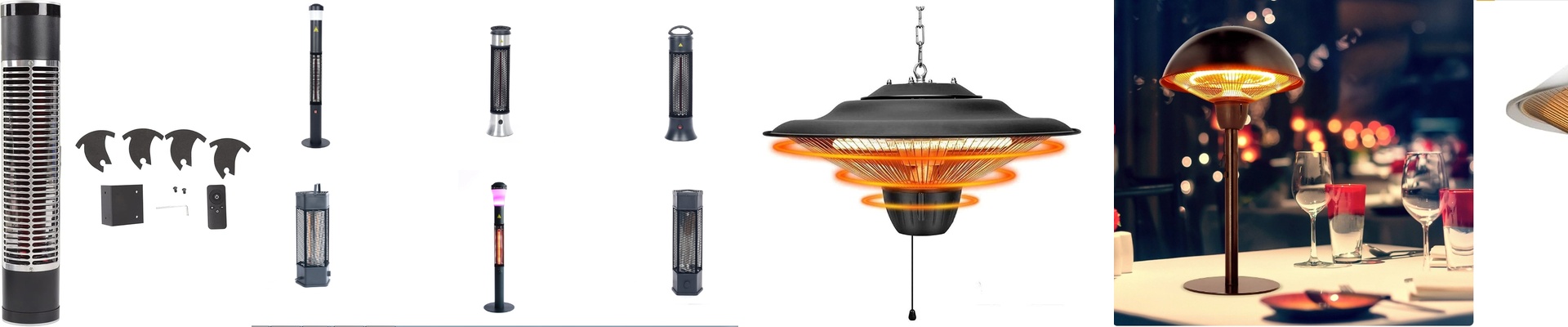
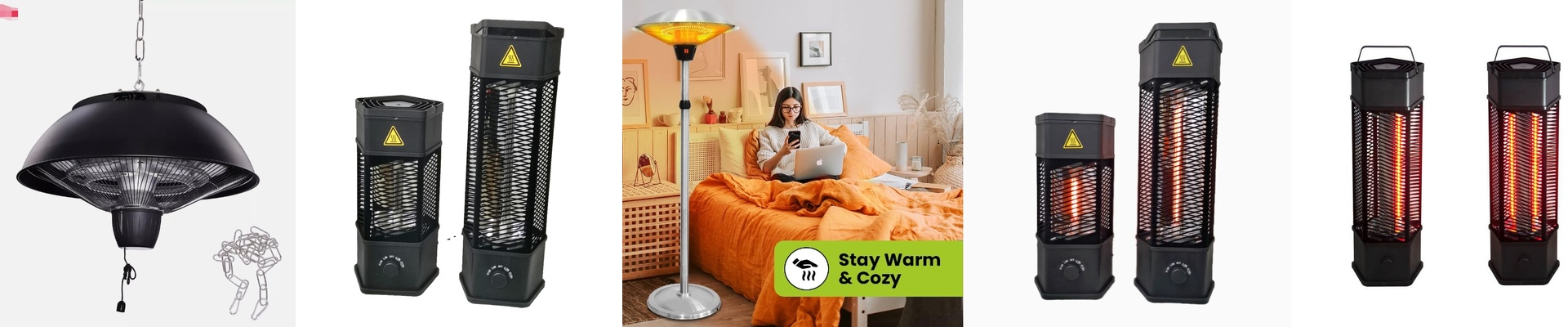
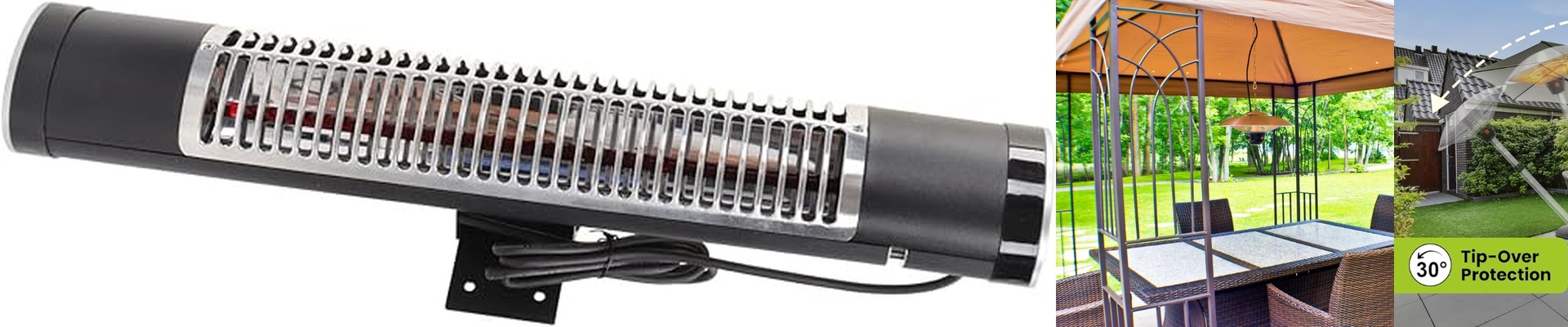
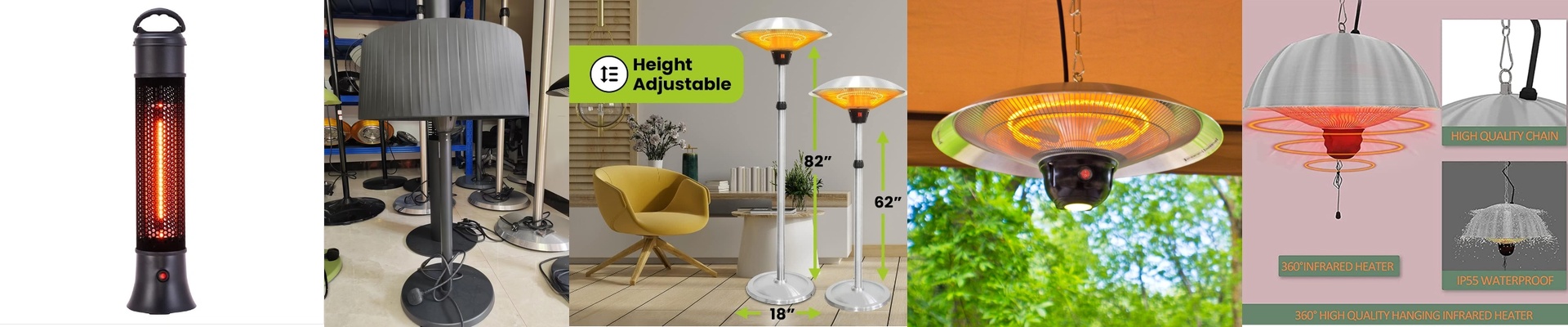

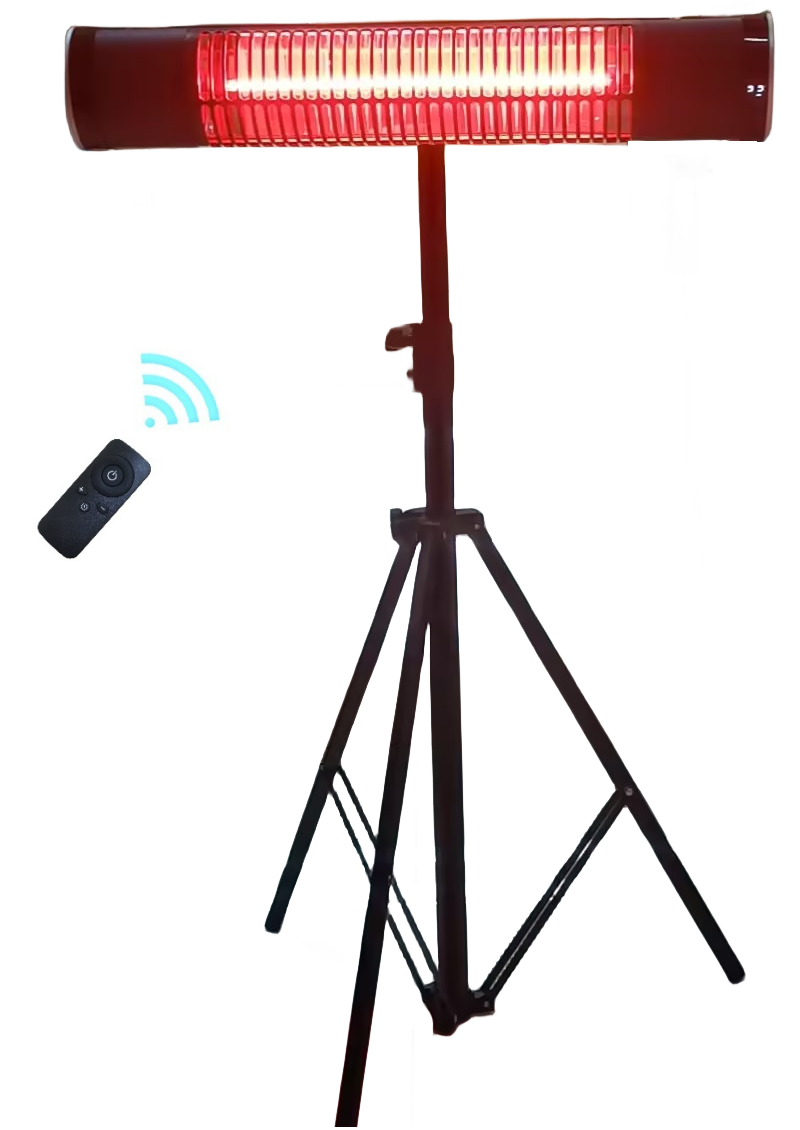
Municipal buildings—libraries, community centers, fire stations—run on tight budgets, and winter heating bills can quietly eat funds meant for people. When the heat underperforms, you get cold, restless occupants and emergency maintenance calls. We built our 2026 infrared electric heater line to tackle that head-on, delivering warmth where it’s needed without trying to heat the entire volume of air.
What matters, technically
Infrared warmth is direct. It heats people, floors, and surfaces first—much like the sun. Our units pair a carbon fiber element with a reflector, turning electricity into radiant heat with a fast response: full output in seconds. You can spec from 1.5 kW to 3.0 kW models, all on standard 120 V or 240 V circuits. A built-in thermostat holds the target temperature, and tip-over protection shuts the heater off if it gets bumped. For damp or high-traffic spaces, go with the IP55-rated versions—they shrug off splashes and dust, keeping performance steady in gyms, lobbies, and workshops.
Why this works in public buildings
Public buildings have high ceilings, big doors, and constant air exchange. Conventional forced-air systems lose heat the moment a door opens, and you pay for it. Infrared heaters concentrate heat in the occupied zone, so you can maintain comfort at lower ambient settings. In practice, that means fewer kilowatt-hours per square foot, fewer maintenance cycles, and fewer complaints. On large-scale procurement, the savings compound across rooms and buildings, turning a predictable seasonal cost into a line item you can actually control.
The practical details
Plan the layout first. Radiant heat travels in straight lines, so aim heaters at seating areas, entryways, and workstations—not empty corners. Match each unit with the right thermostat and confirm the circuit capacity before you install. In very cold climates, infrared shines for spot heating. Pair it with a low-temperature backup for unoccupied periods. That way, you keep people cozy and keep the budget intact.