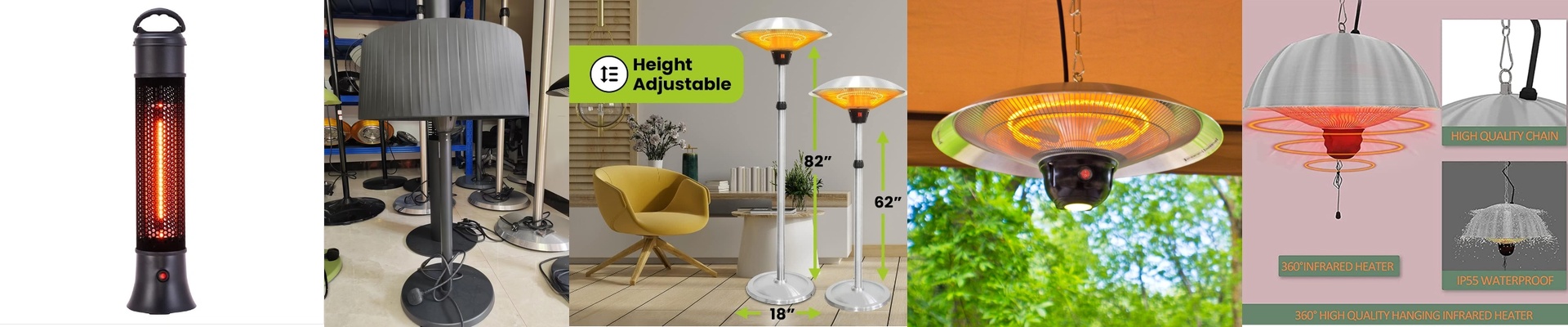
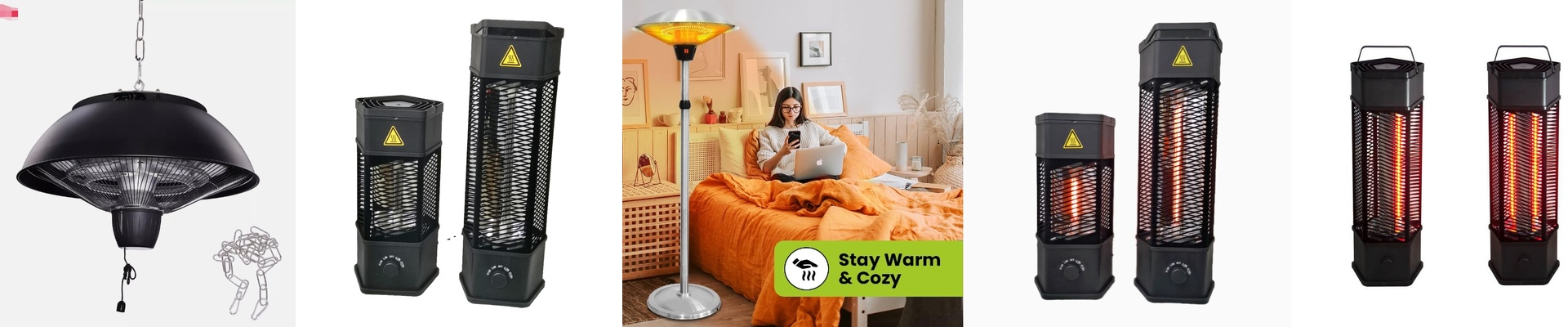
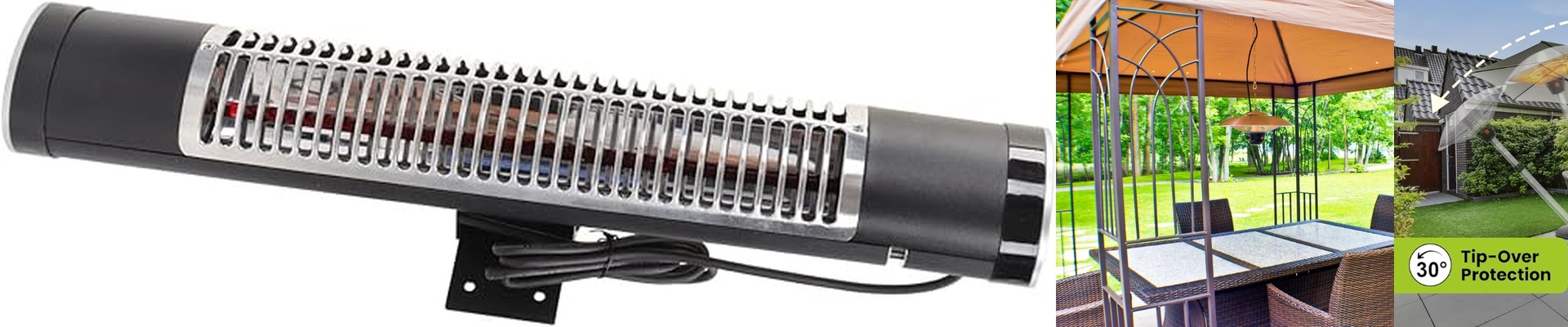
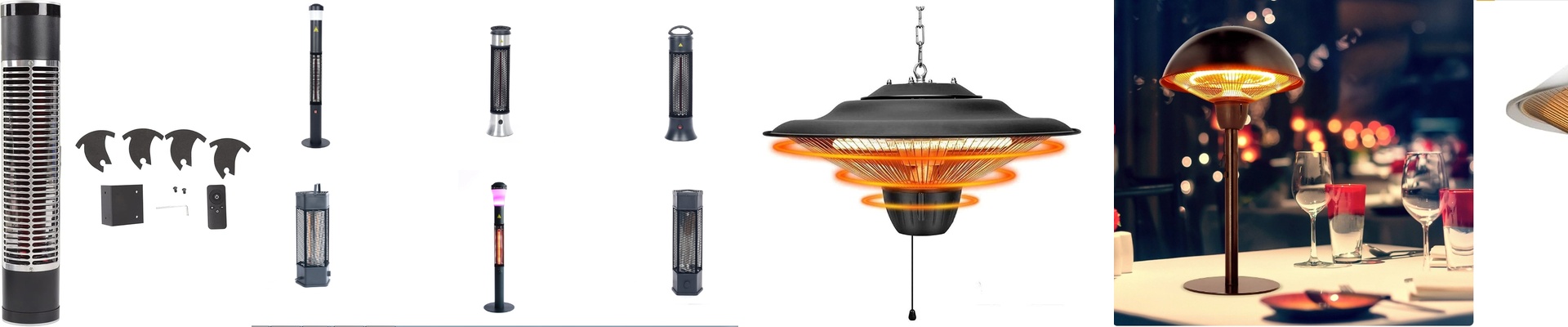

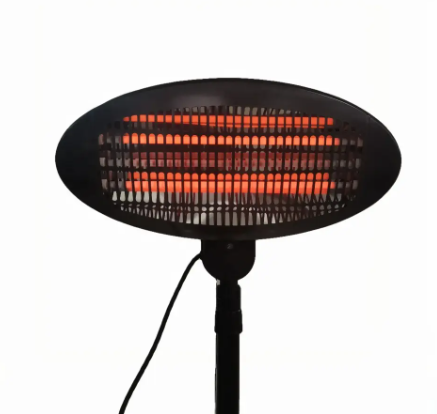
Out in remote places, winter used to mean living with a kerosene stove—and the gritty reminder that comfort has a price. One breath and you know the air is loaded. Eyes sting, throat tightens. The heat is there, sure, but comfort isn’t. Swapping over to an infrared room heater isn’t just a parts change. It changes how the space feels—and how clean the air stays. What’s actually happening under the hood Infrared warmth is radiant heat, not convection. Our electric infrared heaters run a carbon fiber element that glows and throws long-wave infrared. It warms people, floors, and furnishings directly, so you feel it faster than waiting for air to turn warm. Pick the model that matches the room: 400W, 800W, or 1200W. They plug into a standard 120V circuit, so install is straightforward. The built-in thermostat holds the set temperature, and tip-over protection shuts the unit off if it gets knocked. With a sealed design and no fuel combustion, there’s no fumes, no odor, and no open flame. Why this works better in practice Kerosene stoves burn fuel right in the living space, and that means particulates and moisture that hang around. Electric infrared heaters stay clean, so indoor air stays clearer. And there’s no waiting. No preheat, no pilot light. You flip it on and warmth arrives quickly. Because it’s radiant, the air doesn’t feel as stuffy, and you don’t get that dry, forced-air feeling. For remote homes, that translates to fewer irritated eyes, fewer headaches, and a steady comfort that makes the room livable again. The realities you should plan for Infrared is directional. Face the heater toward the main seating area, and keep a clear 3-foot clearance from objects and people. It warms what it “sees,” so if drafty corners are an issue, you may need a second unit—or a gentle supplemental fan to help mix the air. Match wattage to room size, and don’t run the heater off an undersized extension cord. Switching is simple. The air feels it. You will too.