
Why Your Patio Heaters Keep Dying (And How to Stop It)
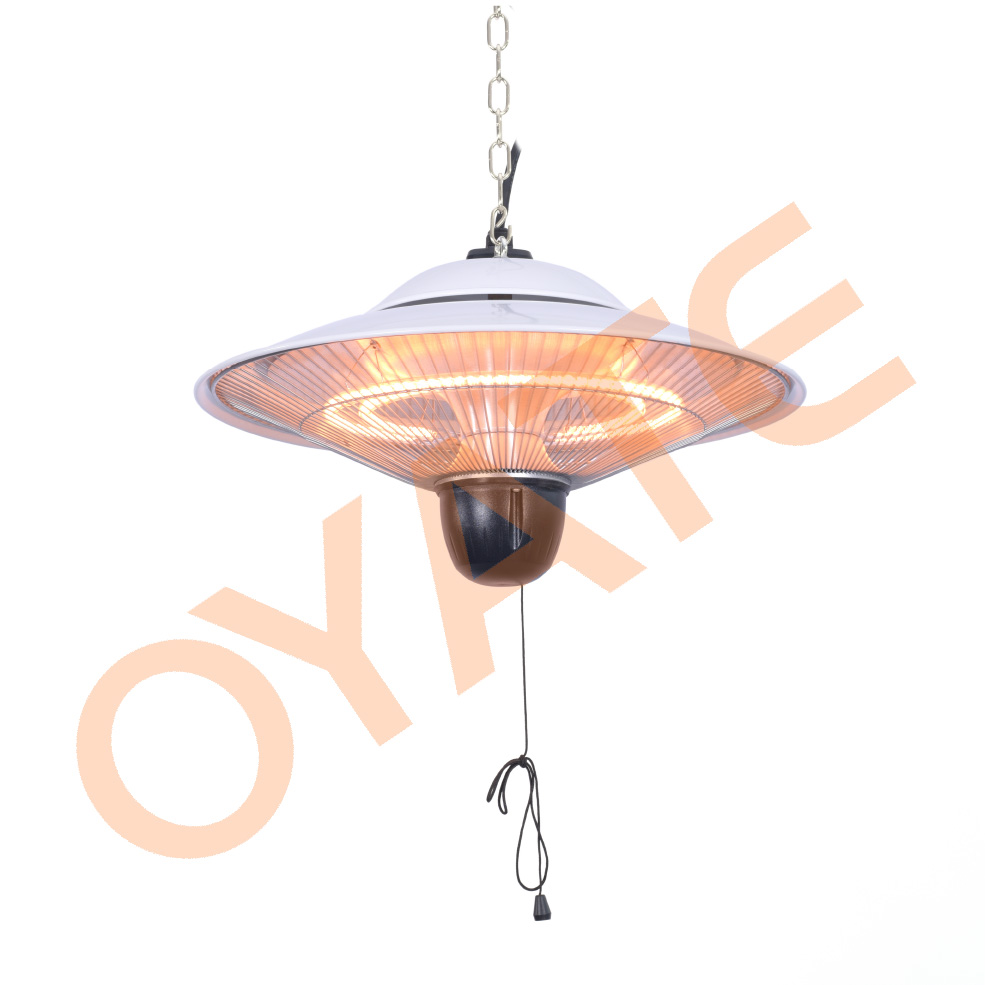
If you’ve ever managed a nightclub patio, you know the drill. It’s a brutal place for gear. You’ve got high-wattage infrared heaters fighting against rain, humidity, and those wild temperature swings that happen the second the sun goes down. Most people think the heating element is the part that gives out first. But honestly? The real trouble starts right where the lead-wire plugs into the quartz tube. The “Cheap Glue” Problem Here is the thing: a lot of budget heaters just use basic adhesive or some low-grade silicone to seal that wire. When those heaters get screaming hot, that stuff basically bakes. It cracks. It flakes away. Once that seal is gone, moisture creeps in. That leads to oxidation, and before you know it, you’ve got a dead short. When you’re running these at full blast in a crowded public space, a short circuit is more than just a pain for the maintenance guy—it’s a genuine fire risk. Doing it the Right Way We do things a bit differently. Instead of just slapping a glob of glue on there and hoping for the best, we use a multi-stage process. We combine high-temperature ceramic potting with aerospace-grade heat shrink. It creates a tight, airtight seal that doesn’t shrink or get brittle, no matter how many times the heater cycles on and off. Plus, we use fiberglass or Teflon braiding on the wires. This stops the insulation from melting back when things get hot. We also make sure the seal is mechanically locked in place. That way, when the metal chassis expands and contracts in the cold, the wire doesn’t just pull right out. A Quick Heads-Up on Installation There is one trade-off you should know about. Because our sealing is so heavy-duty, the wire is a bit stiffer. You can’t just bend these wires at a sharp angle near the seal. If you do, you risk cracking the quartz. My advice? Leave some slack in your wiring harness. If you cinch those wires down too tight during install, you’re undoing all the hard work we put into the seal. Give it a proper bend radius, and your heaters will actually last.