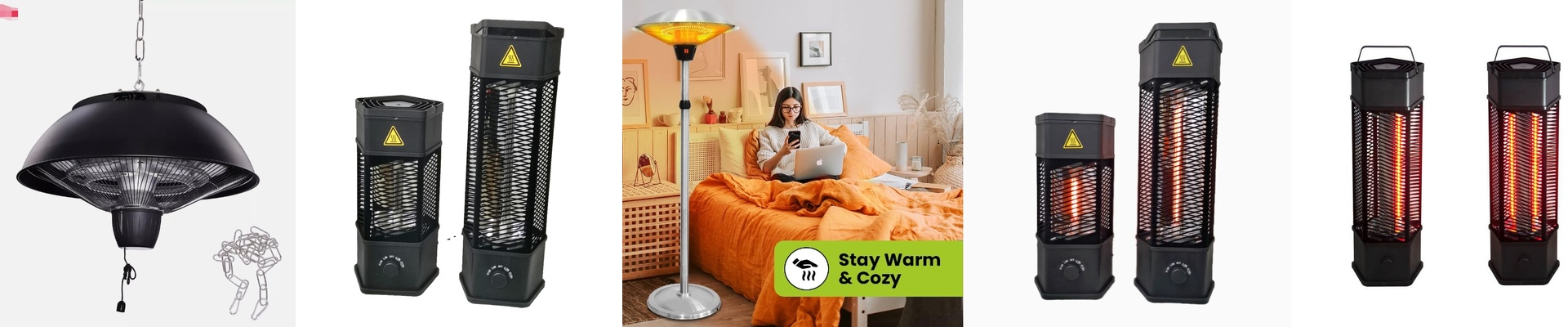
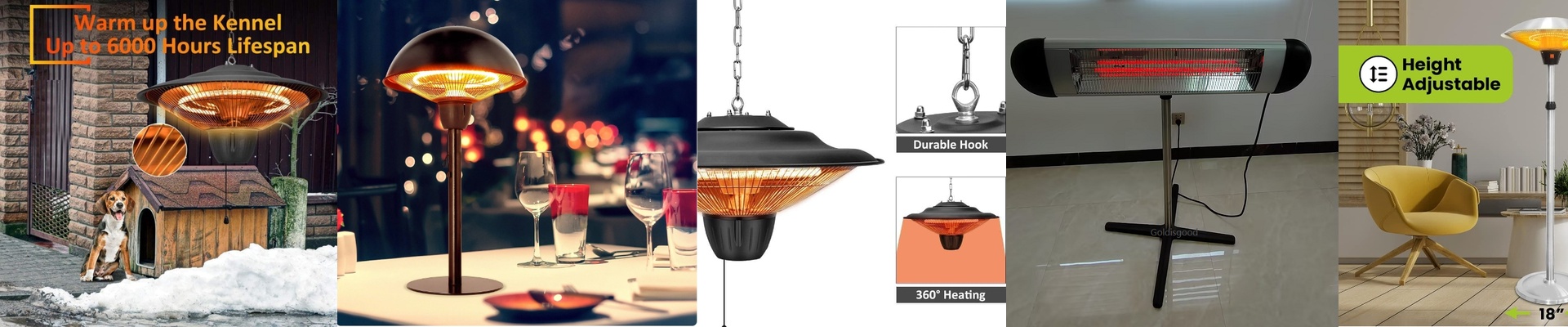
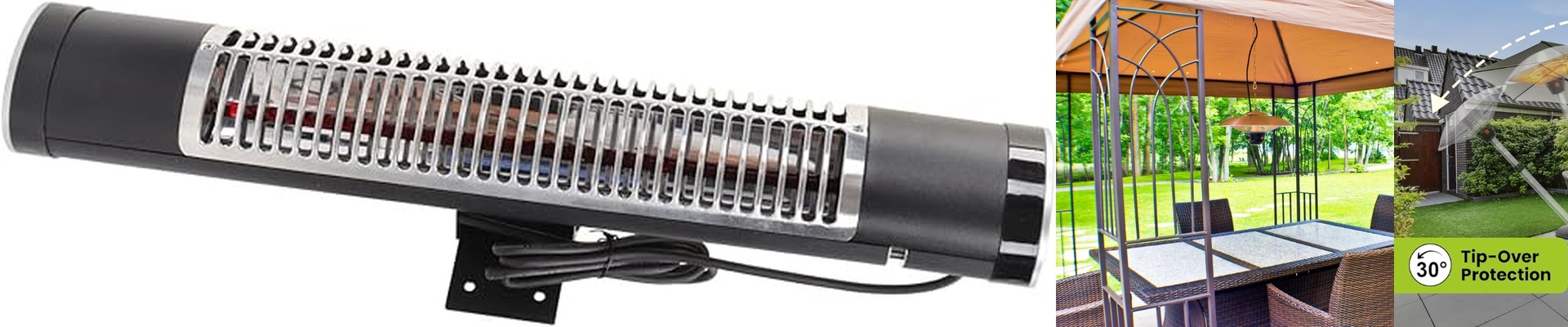

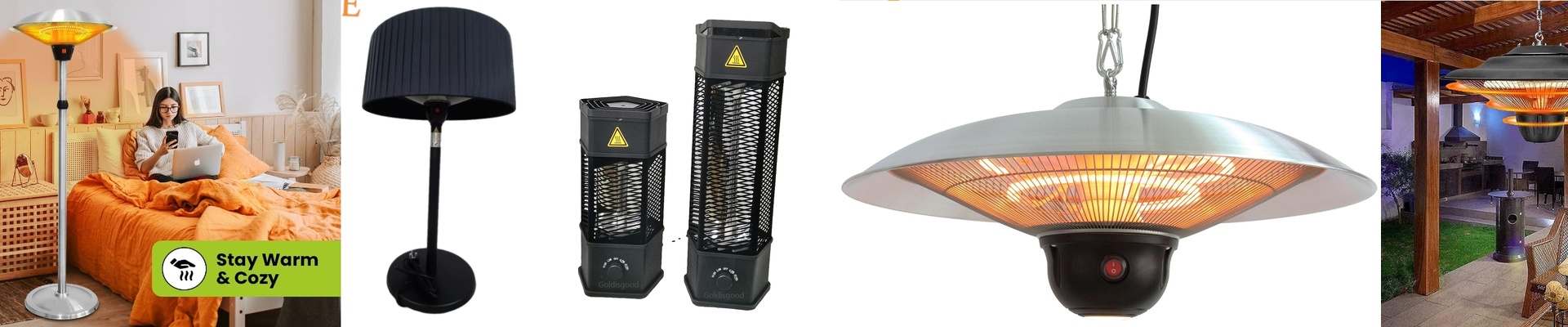

Why we built our outdoor heaters to be taken apart
Let’s be honest: the outdoors are brutal. Between the humidity, the salt air, and those wild temperature swings, heating elements eventually give up. It’s just physics. We know that in about five years, things are going to wear down. So, instead of pretending our heaters last forever, we designed them to be fixed.
Stop ripping out the whole unit
Most outdoor heaters are sealed shut like a vault. When one tube burns out, you’re stuck. You either have to tear out the entire chassis or spend hours messing with complicated wiring while standing in the rain. It’s a nightmare. We decided to do things differently. We went with a plug-and-play modular setup. You don’t have to touch the main control board or rewire a single thing. You just pop out the old heating element and its housing as one solid block and slide in a new one.
Keeping the water out (without the guesswork)
Here is where most “repairable” systems fall apart: the seal. Once you open up an IP66-rated unit in the field, it’s almost impossible to get it perfectly watertight again. Usually, people end up slapping on some silicone or electrical tape and hoping for the best. Not here. We use compression gaskets and threaded locking collars. When you swap a tube, you aren’t guessing if it’s sealed. You just tighten the collar, and the frame snaps back to factory specs. It’s tight, it’s dry, and it stays that way.
The trade-off
Now, there is a catch. Because we added this modular frame, the heaters are a bit bulkier than a bare-bones model. You’re getting a little more housing material than you strictly “need” on day one. But in our book, a slightly larger footprint is a fair price to pay to avoid throwing the whole system in the trash five years from now.
What this looks like on a Tuesday morning
For the person actually doing the work on-site, this is the best part. You aren’t spending half a day on a teardown. There’s no soldering and no scratching your head over a manual. You pull the old module, drop in the new one, torque the fasteners, and you’re done. 15 minutes. That’s it. Your heaters stay on, your customers stay warm, and you get to go home on time.