
Getting the Heat Right for Husky HyPET Systems
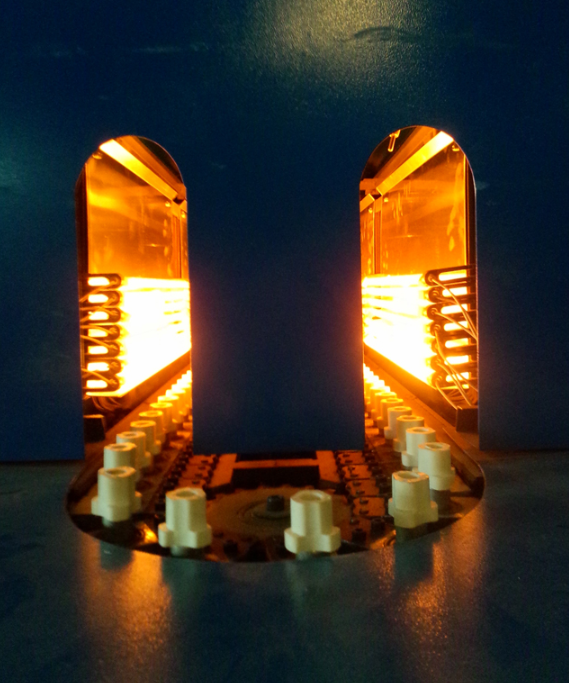
If you’re running high-speed PET blowing, you know the struggle. It’s not about how much power you throw at the preform—it’s about where that heat actually goes. The nightmare is when the outside of the plastic starts to scorch, but the inside is still cold. We call that the “cold core,” and it’s exactly why you end up with pearlescence or bottles that stretch unevenly. It’s frustrating, and it kills your yield. To fix this, we don’t just crank up the wattage. We tweaked the actual light coming off our quartz IR lamps. By shifting the energy into the shortwave range, the heat actually punches through the thickest parts of the wall instead of just sitting on the surface. The gear side of things These lamps are designed to be simple drop-in replacements for Husky OEM specs. No fuss. We spent a lot of time on the quartz diameter. Why? Because if the tube is off by even a tiny bit, your focal point shifts. We kept the tolerances tight so the heat stays locked exactly where it needs to be. A quick heads-up on the wiring: we use heavy-duty R7s or Sk15 connectors. These things pull a lot of current, and the last thing you want is a melted socket. Just keep an eye on your cooling blowers. When you’re pushing this much heat density, your oven frame takes a hit. If your airflow slips, you’re looking at a burnt-out tube. What this actually does for your floor In the real world, this means your heating cycle gets shorter. You hit that glass transition temperature faster. And here’s the best part: because the heat penetrates deeper, you can usually nudge your conveyor speed up a bit. You get more bottles out the door without worrying about stability. We build these to take a beating. Production doesn’t stop, so neither do the lamps. We focused on filament stability so your heat profile stays the same from the first bottle of the shift to the last.