
Getting That Perfect Golden Brown Without Drying Out Your Bread
Ever notice how it’s so easy to ruin a loaf of bread? You’re waiting for that beautiful, golden-brown crust to show up, but by the time the surface looks right, the inside is dry as a bone. That’s because slow, circulating heat is a trap. If you keep baking the middle just to get the outside to color, you’re basically turning your bread into a crouton. We found a way around this using quartz tube heaters.
Why Quartz Actually Works
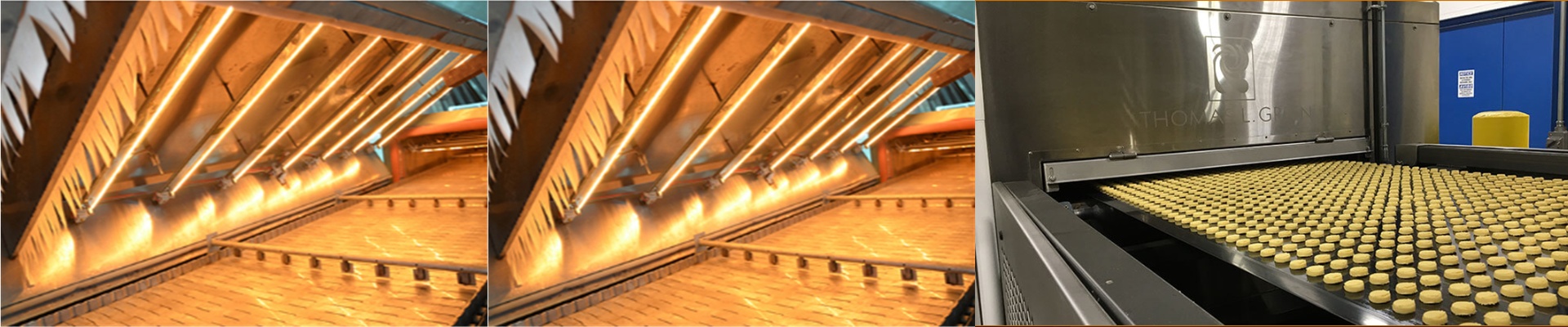
Most heating elements are just too bulky. They take forever to warm up and even longer to cool down. It’s like trying to steer a cruise ship—you can’t just make a quick turn. Our quartz tubes are different. We use a tungsten filament tucked inside high-purity quartz, usually with a bit of halogen gas to keep the filament from burning out too fast. The result?Instant heat. The second you flip the switch, the radiation hits the surface of the dough. It kicks off the Maillard reaction—that magic chemistry that creates the brown color and the smell of toasted bread—without cooking the heart of the loaf. It’s fast. Really fast. And that changes everything.
The Nitty-Gritty (And What to Watch Out For)
We build these tubes to pack a punch. By squeezing a lot of power into a small space, we get intense short-wave radiation that sinks right into the surface layer of the dough. But look, you have to be careful with the setup. These tubes pull a lot of current and get incredibly hot. If your housing isn’t vented properly or your reflectors are slightly off, you’ll end up melting your other components. To keep things smooth, we suggest using PID controllers and SSRs (Solid State Relays). They get rid of the lag you get with old-school mechanical switches, so you have total control over the temperature.
Putting Them to Work
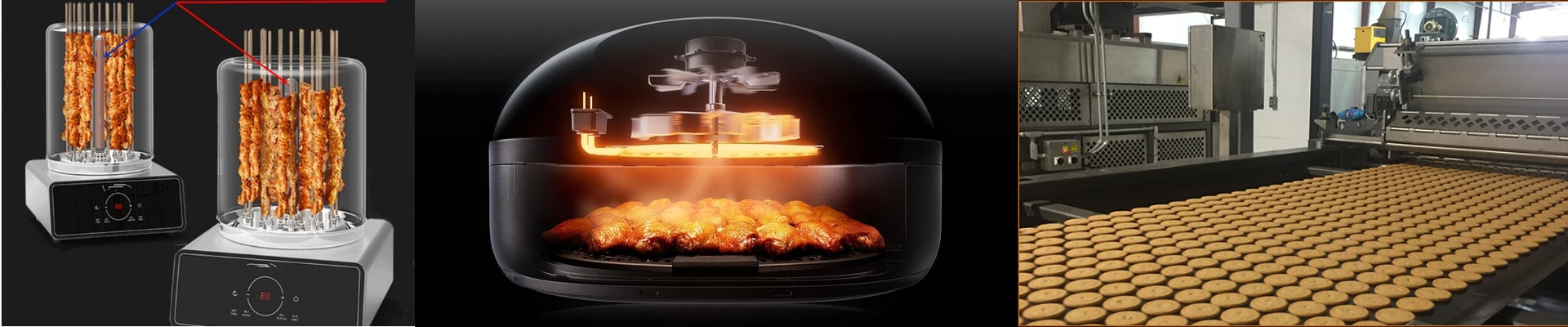
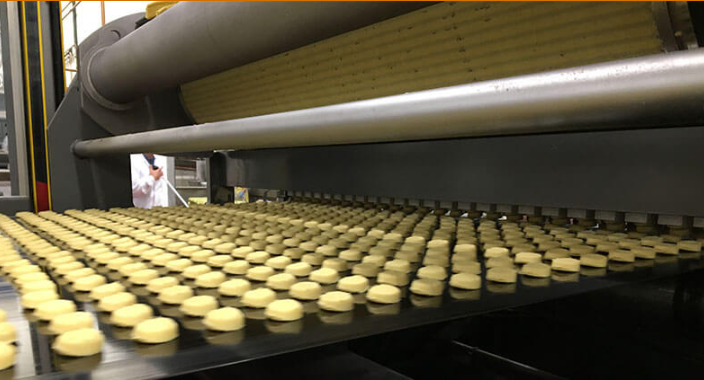
In a real-world setup, we mount these tubes on top, firing straight down. Since they react in seconds, you can tweak the heat on the fly based on how fast your conveyor belt is moving. It’s a great way to replace those clunky old gas broilers that just don’t have the precision. As long as your voltage stays steady, every single loaf comes out looking exactly the same. No guesswork, just a perfect crust every time.