
Stop Just Cranking the Heat on Your Sidel Machines
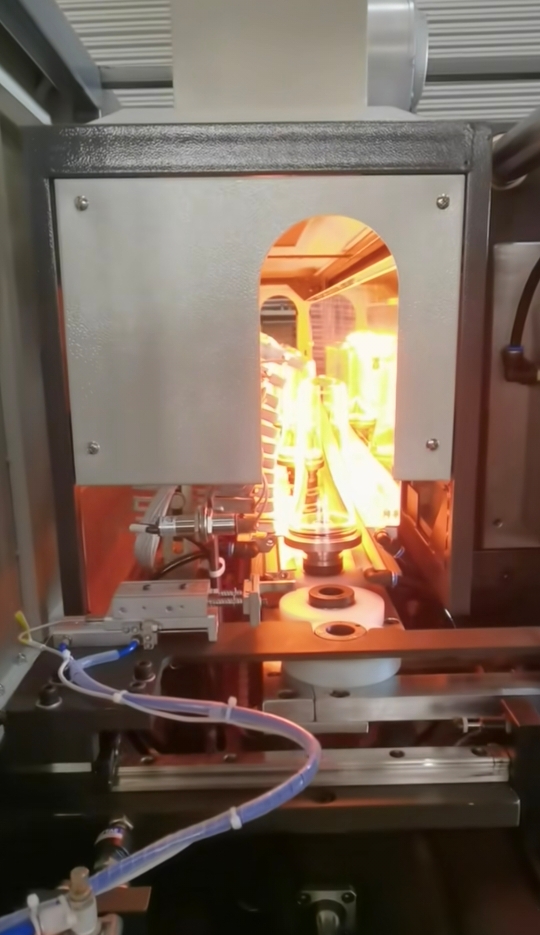
I see it all the time. An operator wants to push more bottles through an old Sidel machine, so they just keep turning up the power. Bad move. If you do that, you aren’t actually making the process faster—you’re just risking burnt preforms. If you want a real boost in output, you have to stop looking at the dial and start looking at the heat density and wavelength of your lamps.
Let’s talk about heat density
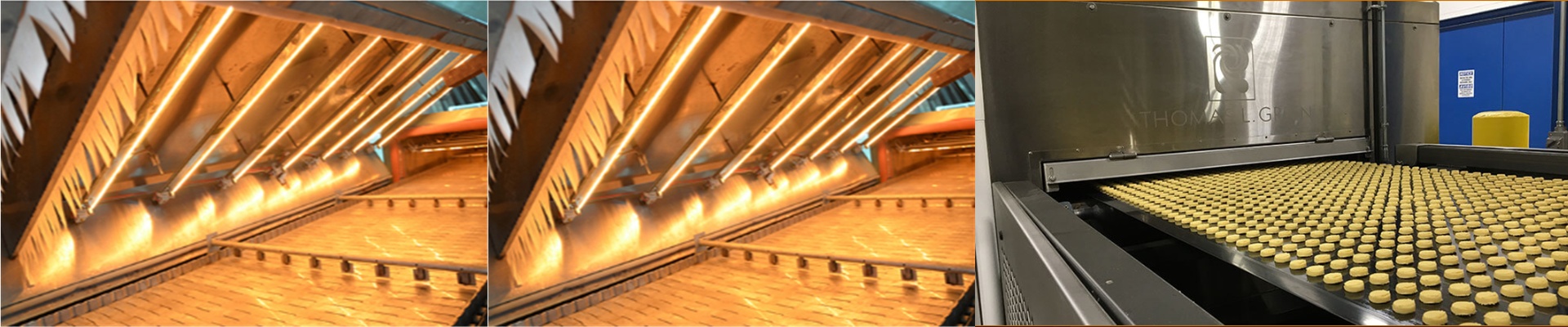
We make our replacement lamps to fit the original Sidel footprint exactly, so they slide right in. But here’s where it gets interesting: when you swap a standard 2000W tube for a 2500W one, you’re hitting that PET with way more radiant energy. That’s the secret. More energy means you can either speed up the conveyor or shorten the heating tunnel. Just a heads-up on the electrical side—keep an eye on your voltage. A 400V system is great because it gives you more power without pulling as much current, which saves your wiring from taking a beating. If your panels are ancient, just double-check those amp ratings before you plug in the high-wattage stuff.
The nitty-gritty: Quartz and Coatings
We use heavy-wall quartz glass. Why? Because thin glass bows when it gets screaming hot, and that ruins everything. Most of our Sidel lamps use a halogen gas fill. It keeps the filament hotter, which pushes more energy into the shortwave spectrum. It’s just more efficient. And please, check your connectors. Whether you’re using R7s or Sk15, it has to be a snug fit. A loose connection creates a tiny arc, and that will eat your socket alive in a few weeks. I always tell people to check the tension on the contact pins every single time they swap a lamp. It takes two seconds and saves a massive headache later.
The catch
More heat is great for speed, but it’s a balancing act. If you crank up the wattage but leave your blower settings or cooling water exactly where they were, you’ll start seeing “pearling” or those ugly burnt spots on the PET. You can’t just change one thing. You’ve got to balance the lamp output with the airflow to keep the surface temperature steady. Get that right, and you’re golden.