
Getting Your PET Heat Right
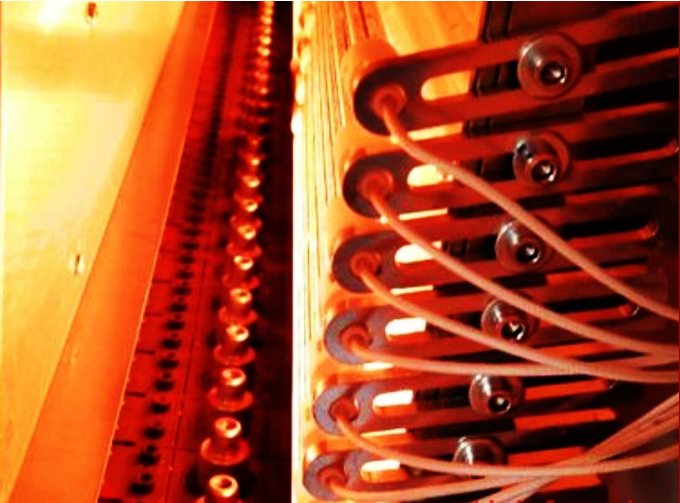
If you’re running KHS or SIPA SFR 16 rotary machines, you know the headache of uneven heat. One part of the preform stretches perfectly, while another stays stubborn. You end up with wall thickness that’s all over the place. It’s frustrating. We decided to fix this by rethinking the lamps. Instead of just “making a bulb,” we tightened the tolerances on the infrared emission profile. Here’s the deal: when people swap an OEM lamp for a cheap generic one, they usually get a power dip at the ends of the tube. That’s where the trouble starts. We use a specific quartz blend and a very precise way of winding the filament. The result? The heat stays flat across the whole lamp. No more “pearling” in your bottles. One quick tip: if you’re pushing high-voltage setups, keep an eye on your cooling fans. More wattage means more heat load on the oven. Just make sure your airflow is clear before you crank up the power. Making the swap easy We didn’t want you to have to rewire your whole machine. These are simple drop-in replacements. They use standard R7s or Sk15 connectors, so they just slide right into your existing sockets. We also treated the quartz glass. Rotary blow molding is brutal on equipment—the rapid heating and cooling can crack lesser materials. These can take the hit. Plus, we tuned the wavelength to hit the exact absorption peaks of PET. It means less energy is wasted heating up the air in the room and more is actually going into the plastic. On the shop floor You’ll notice the difference most during the ramp-up. Everything just stabilizes faster. You won’t spend half your morning tweaking oven zones just to get a consistent run. But a word of caution: these lamps are sensitive. **Do not touch the quartz with your bare hands.**Even a tiny bit of oil from your skin creates a localized hot spot. That spot will eventually burn through, and your tube will pop prematurely. Grab some lint-free gloves and you’ll be golden.