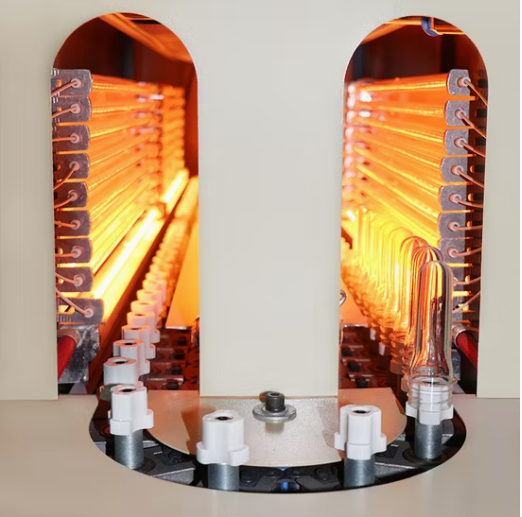
On the plant floor, the SIPA SFR 12 rotary blow molder lives and dies on repeatability. The moment preform heating starts drifting—uneven wall temperature, inconsistent stretch, or a sudden jump in bottle weight—you don’t have time to play guessing games with part numbers. You need a lamp that matches the machine, not just the wattage.
What matters, technically
We build the replacement for the SIPA SFR 12 rotary as a direct-fit infrared emitter, held to OEM-level tolerances. It’s a high-stability quartz envelope with a halogen filament, tuned for short-wave response so heat gets into the PET preform fast without scorching the surface. Rated power and voltage line up with the SFR 12 heating tunnel requirements, and the envelope length, mounting, and lead geometry are spec’d to sit right in the reflector path. The R7s connector interface is standard, so you swap lamps without modifying holders or rewiring the block.
Why it holds up on an SFR 12
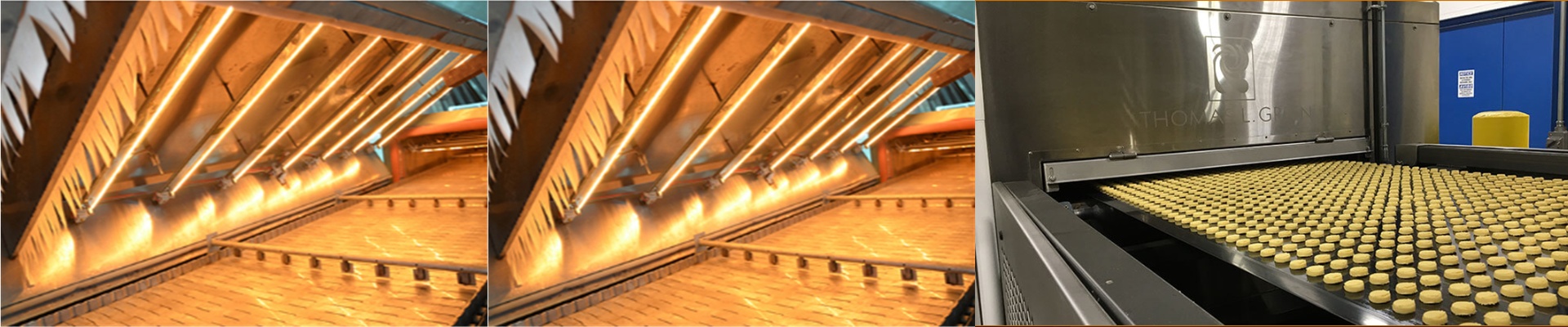
On an SFR 12 rotary, the heating section is balanced across multiple stations, and the process window is tight. These lamps hold output stability over long runs, so the preform temperature profile stays consistent hour after hour—fewer thickness swings, fewer rejects, and less scrap from off-spec bottles. Fast thermal response helps keep cycle times stable, and the quartz build handles the thermal shock of repeated start-stop cycles. The payoff is predictable heating that keeps the blow molder running at the rate it was designed for, without chasing drift.
The details that bite you if you skip them
Installation is straightforward, but the heating tunnel is sensitive to spacing and reflector condition. During replacement, confirm lamp alignment and make sure the reflector is clean, then verify voltage at the socket—out-of-spec voltage will shorten lamp life. Keep spare lamps sealed until use. Fingerprints on the quartz can create hot spots and cut service life. Matching the lamp is only half the job; the surrounding system has to be in spec for the heating to stay in spec.