
Stop Letting OEMs Hold Your Blow Molding Heat Hostage
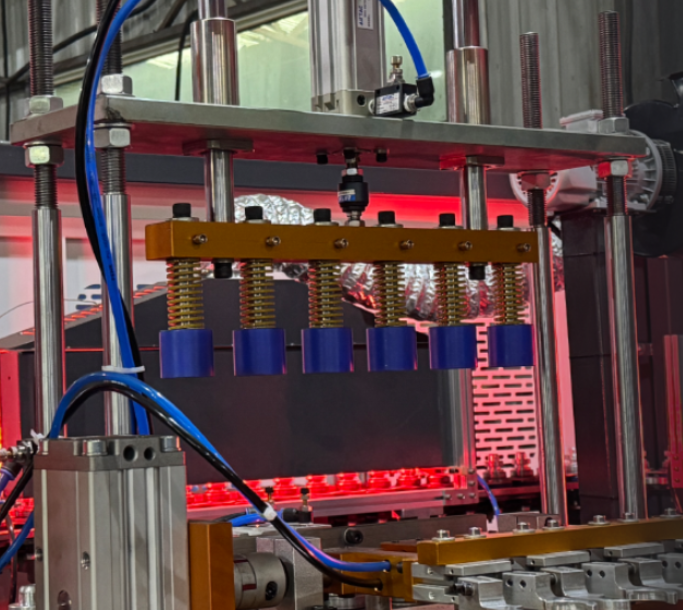
Let’s be honest: most blow molding OEMs love to lock you in. They use proprietary lamp specs for one reason—to make sure you have to buy replacements from them, regardless of the price or lead time. It’s a frustrating cycle. We decided to break that. We built our infrared lamps to ignore those restrictions. By sticking to a standardized footprint and electrical tolerance, we made a lamp that just works. Whether you’re running SMI machines or almost anything else on the global market, these are designed to slide right in.
How the “Universal Fit” Actually Works
It really comes down to three things: the socket, the length, and the wattage. We use R7s and SK15 connectors because they’re the industry benchmarks. If your machine uses those, you’re set. You can swap the lamps without having to touch your control cabinet or mess around with rewiring. It’s a relief, honestly. On the power side, we spec our tubes for high voltage stability. A 400V high-wattage tube hits the PET preforms with the heat density they need to soften up fast. That means your cycle times stay tight. One quick tip: pushing that much power into a small quartz envelope creates a lot of heat.**Check your cooling fans.**If they’re clogged with dust, you’re risking a warped lamp housing. Keep them clean, and you’re golden.
The Stuff Under the Hood
We use heavy-wall quartz glass. Why? Because thin glass sags when things get screaming hot. Inside, we use a halogen cycle. It keeps the tungsten filament from evaporating too quickly, which means the lamp lasts longer before it finally pops. And for those of you who need specific wavelengths, we’ve got coated options. These act like a filter, focusing the energy directly onto the PET material instead of letting the heat bleed into the machine frame. It keeps the machine cooler and the process more efficient.
Real-World Use
You don’t need a specialized technician or a calibration kit to get these running. When a tube burns out, you just pull it, pop ours in, and set your timers. Because we keep the length and pin spacing incredibly tight, you won’t be fighting to get the lamp to seat in the socket. It’s a simple swap. No drama. Just get your line back up and running.