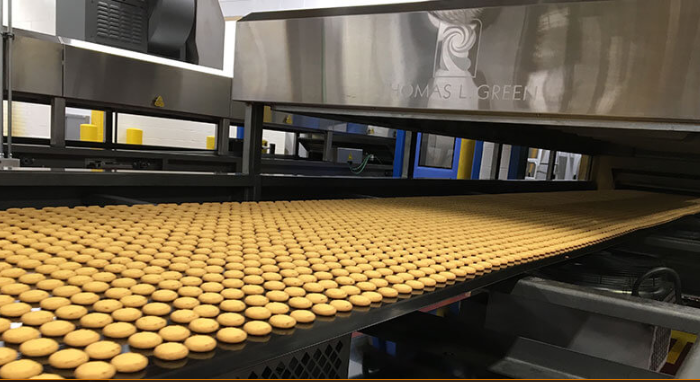
Fixing the “Cold Edge” Problem in Big Bread Ovens
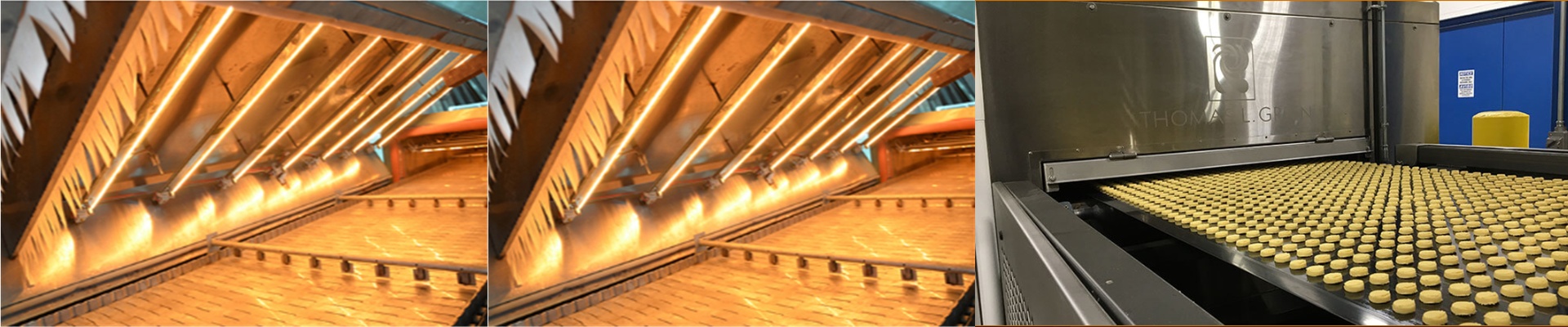
If you’ve ever run a large-scale convection oven, you know the frustration. You pull out a rack of bread and the center looks perfect, but the edges? They’re pale. Under-baked. Just not right. It happens because the edges of the baking chamber lose heat way faster than the middle. It’s a pain, and it makes your crust color look inconsistent. We found a way to fix this by mixing some targeted infrared (IR) heaters right into the airflow. How the heat actually works Here’s the thing about convection: it’s all about moving air. But air isn’t actually that great at moving heat. Even with fans blasting, you get these “cold zones” right against the oven walls. That’s where short-wave infrared lamps come in. They don’t care about the air. They just beam heat directly onto the surface of the dough. It’s like a quick thermal boost that hits the edges exactly where they need it, without having to crank up the temperature for the whole oven. Getting it set up We use quartz-halogen lamps because they’re incredibly fast. They hit full power in seconds. This is the best part: you can pulse the heat. Instead of leaving them on, you just kick them in during the final stretch of the bake to get that perfect, golden-brown finish. We usually wire these as extra zones around the perimeter. By using high-wattage density tubes, we keep the hardware small but the output heavy. A few things to watch out for It’s not just “plug and play.” Adding IR elements means your control panel is taking on more electrical load. You’ll want to double-check that your wiring and contactors can handle the extra current. And be careful with your timing. IR is aggressive. If you leave them on for a few seconds too long, you’ll go from “golden brown” to “burnt” real quick. To keep things safe, we pair these lamps with fast-acting thermocouples and precise PID controllers. It takes a standard convection oven and turns it into something much more precise.