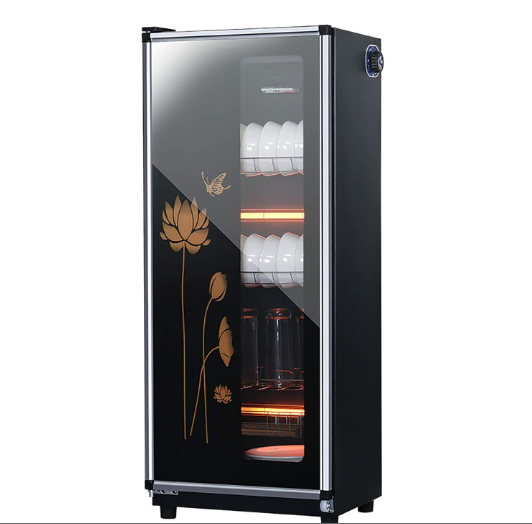
Stop Fighting Your Cycle Times: A Better Way to Heat
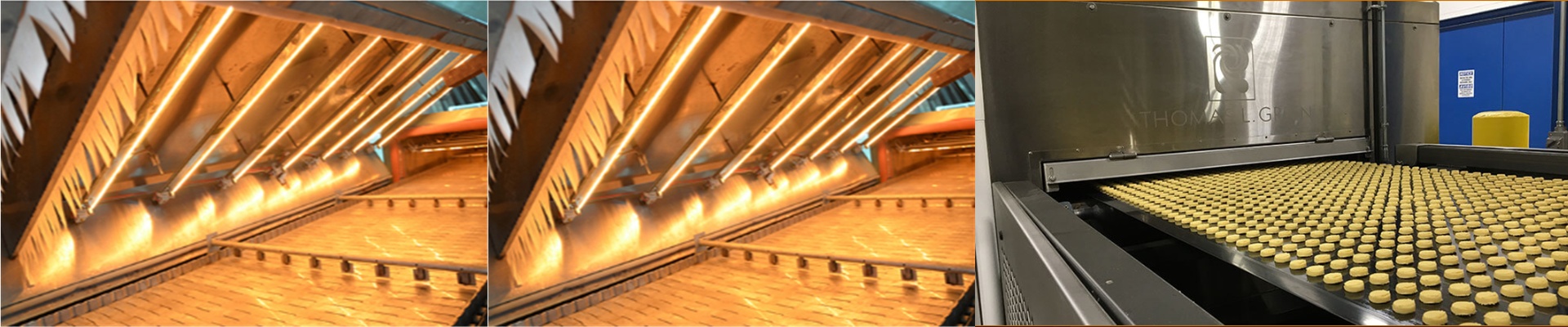
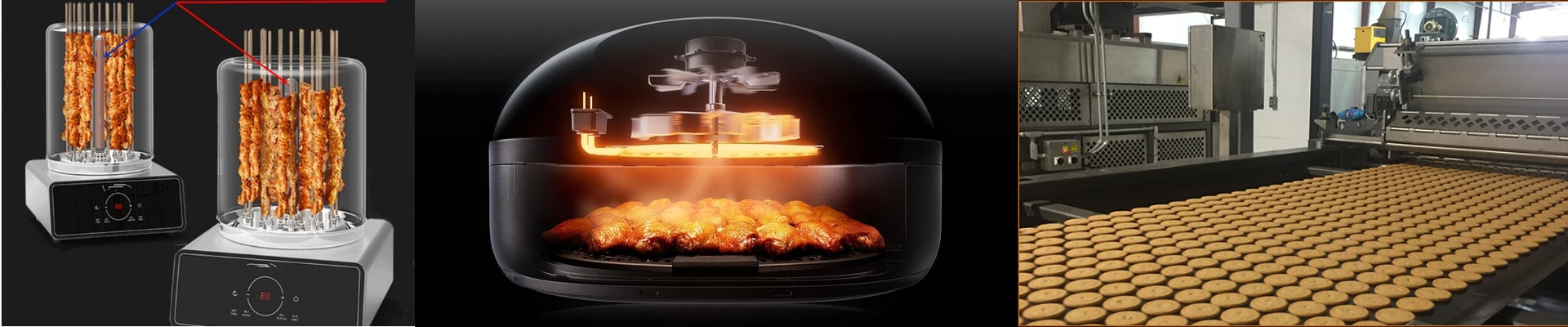
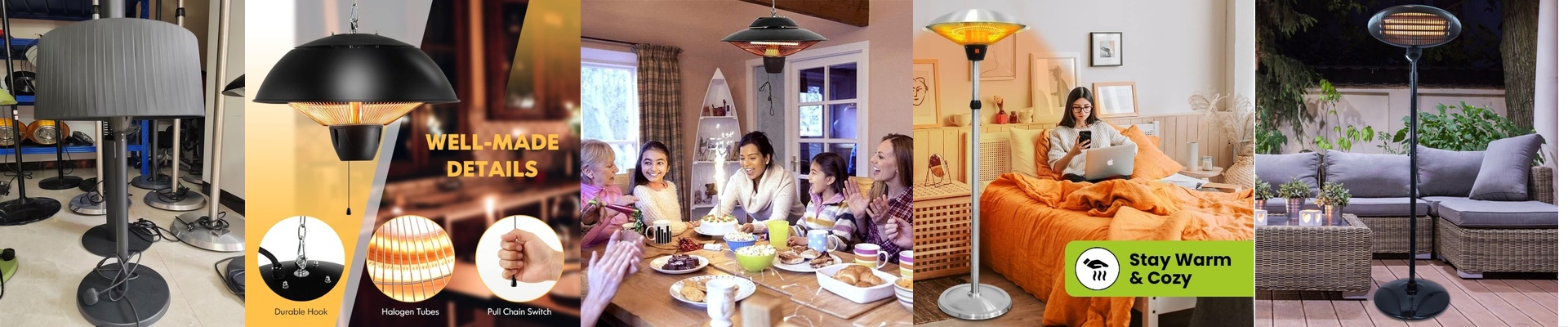
When you’re trying to shave seconds off your production beat, off-the-shelf heating elements usually let you down. They just can’t punch through with enough heat to get things moving fast. If you’re running steam ovens, you need something more aggressive. That’s where our twin quartz tube setups come in. Instead of a slow soak, they blast short-wave infrared energy straight into the workpiece. Why “Standard” Usually Fails Here’s the problem with generic lamps: they come in fixed lengths and wattages. If your oven is 500mm but your lamp is only 400mm, you’ve got cold spots. That’s a nightmare for consistency. We do things differently. We build the tube length and power density to fit your specific chamber. By doubling up the tubes in a twin setup, we cram twice the heat into the same amount of space. The result? Your material hits the target temperature way faster. The Gear Behind the Heat We use high-purity quartz glass for a reason. It lets the IR energy pass right through without getting trapped in the tube. More heat hits the product, less is wasted. And since steam environments are brutal, these tubes are built to handle rapid temperature swings without cracking. We also know that the last thing you want is a weekend spent rewiring your entire line. So, we offer different connector options—whether you need a specific lead wire or something you can just plug in and forget about, we make it fit your current setup. The Real-World Trade-offs Now, let’s be honest: massive heat comes with a few catches. When you crank up the power density, you’re putting more stress on your power supply and the housing around the module. You’ll need to make sure your fans and ventilation can actually handle the ambient heat. If you don’t, you’re risking burnt-out wiring. Plus, there’s the matter of the product itself. If the IR wavelength doesn’t match what your material actually absorbs, you’re just throwing money away. We tune the modules so the heat actually penetrates the surface, rather than just scorching the top layer and leaving the middle cold.