Making IR Heating Actually Work in Your Automated Kitchen
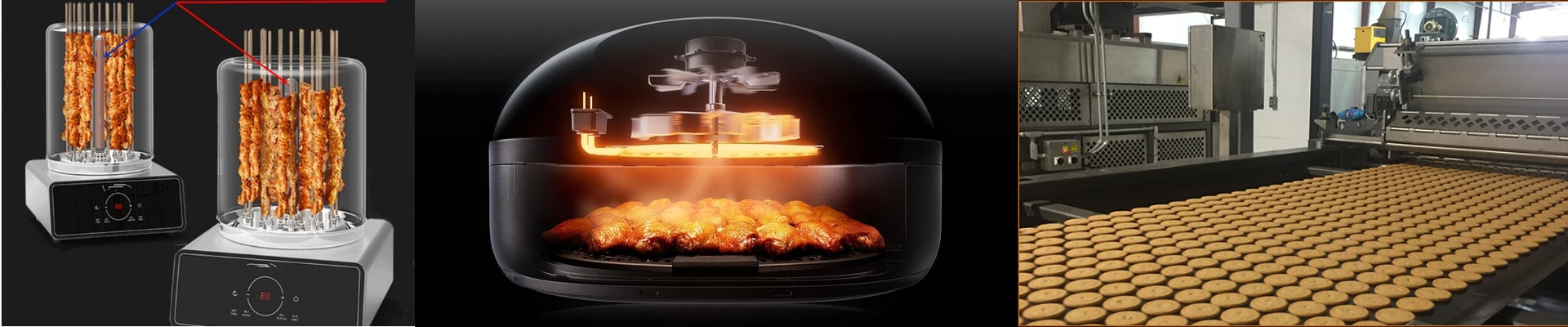
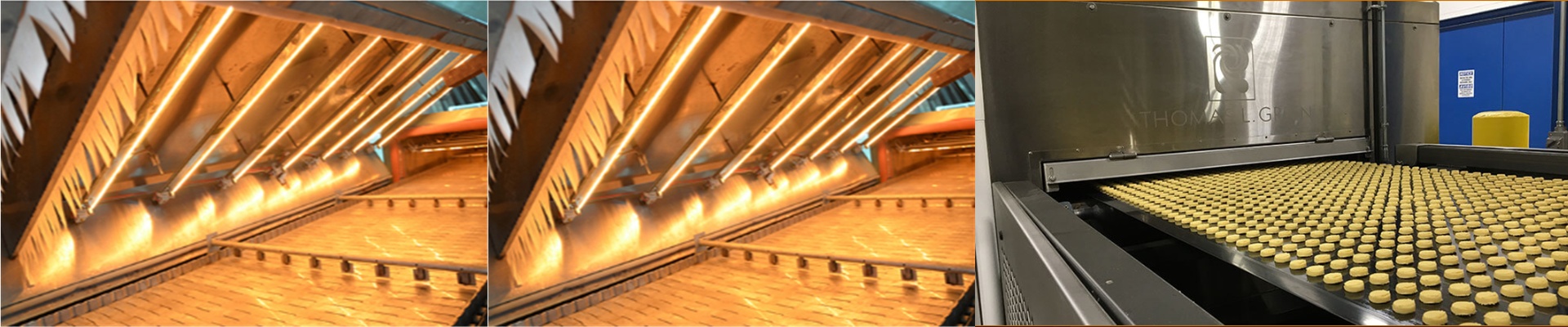
If you’ve ever run a high-volume reheating line, you know the struggle. Convection is fine for some things, but it’s just too slow when you need that surface temperature to bounce back instantly. That’s where short-wave infrared (IR) comes in. Instead of waiting for the air to heat up, IR hits the food directly. It’s immediate. No middleman. Getting the control right Here’s the thing: if you want these lamps to play nice with your PLC or PID controller, you can’t use heavy, clunky elements. We use quartz tubes because they have very low thermal inertia. In plain English? They heat up and cool down in seconds. Because they’re so responsive, you can use an SCR or PWM to keep your temperature locked in within a tiny ±2°C window. One tip from the field: don’t tune your PID loop too aggressively. If you do, the lamps will start flickering. Stick with a dampened proportional control to keep things steady. Built for your space We don’t believe in one-size-fits-all. We use high-purity quartz to make sure you’re getting the most heat possible, but we can tweak the length and wattage to fit whatever weird footprint your oven has. Plus, we can handle the wiring side of things. Whether you need standard R7s or specialized SK15 pins, we’ve got you covered. The “Gotchas” (Engineering Trade-offs) Now, there is a catch. High-wattage IR elements pack a massive punch, which means they throw a lot of heat at your oven housing. If you don’t have your ventilation and cooling fans dialed in, your control electronics are going to bake. We’ve seen heat soak ruin wiring insulation just because there wasn’t enough airflow around the sockets. It’s a great drop-in replacement for those old convection coils, but just keep in mind that you’ll need a precise power supply. You don’t want a random voltage spike frying your filaments.