
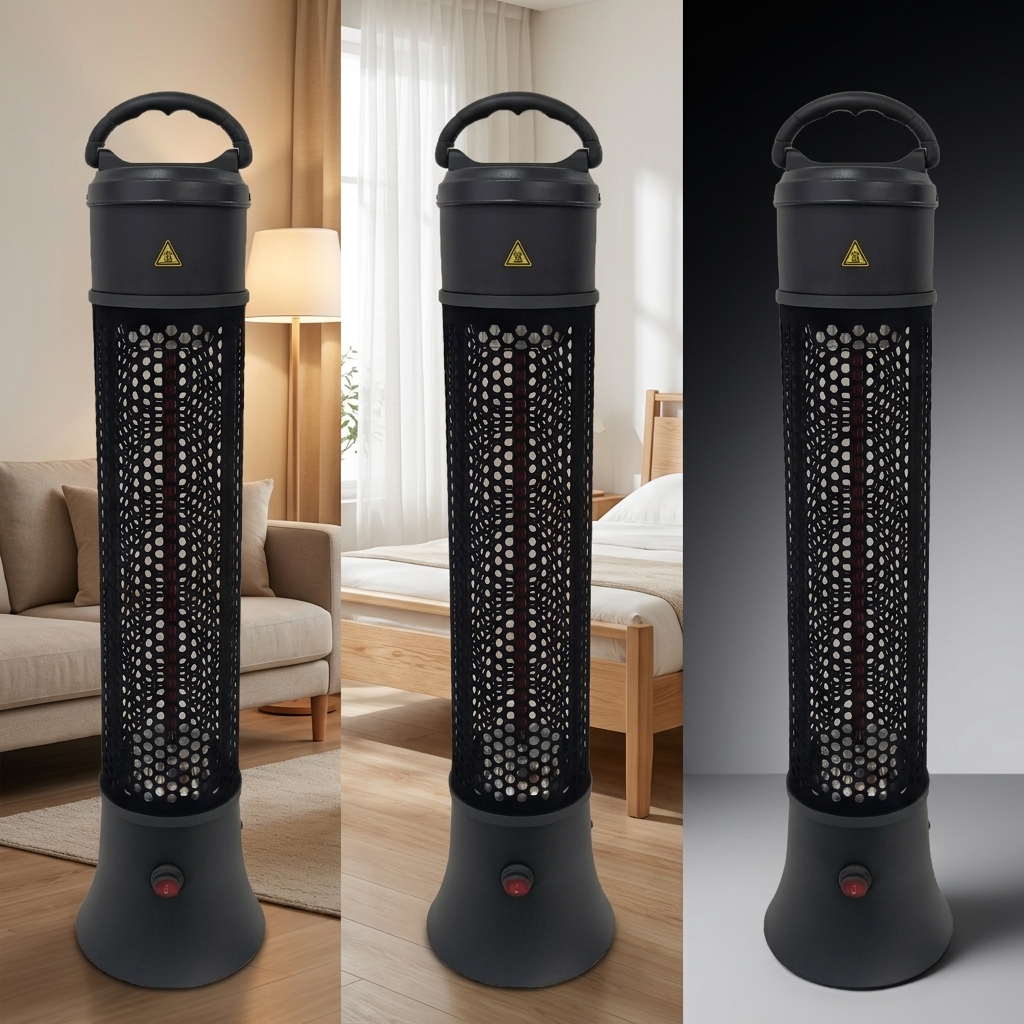
Why You Should Swap Your Old Bathroom Heat Lamps for Mirror IR Heaters
Let’s be honest: those old-school bathroom heat lamps are kind of a joke. They usually rely on basic bulbs that just can’t handle the steam. One minute you’re trying to warm up the room, and the next, the bulb pops because it couldn’t deal with the humidity. That’s why more people are switching to mirror-reflecting infrared heaters. They just make more sense for a wet environment, and they actually get the job done. The secret is in the reflection Most heaters are lazy. They send half their heat straight up into the ceiling where it does absolutely nothing for you. Mirror IR units are different. They use a polished reflector—kind of like a satellite dish—to bounce all that warmth straight down. It hits you instantly. No waiting around shivering in a towel. Plus, they use quartz tubes, which are way tougher than regular glass. They can handle being turned on and off rapidly without cracking. Dealing with the steam Bathrooms are basically torture chambers for electronics. Between the steam and the occasional splash, cheap heaters just corrode and die. If you’re looking at these, check the IP rating. That’s just a fancy way of saying “how well is this sealed?” A high-rated unit keeps the moisture out of the wiring. If water gets in, the reflectors oxidize—meaning they get cloudy—and suddenly your heater isn’t reflecting anything. It just becomes an expensive piece of plastic on your ceiling. A few things to watch out for Since these heaters are so focused, they’re incredibly intense. But that can be a bit of a problem if you don’t place them right. If you mount it too low, you’re going to feel like you’re standing too close to a campfire. Too high, and the heat vanishes before it even reaches your toes. You’ve got to find that sweet spot based on the wattage. And a quick heads-up on the install: while these usually fit right into the old holes in your ceiling, they can pull more power than the old bulbs did. Just make sure your wiring can handle the load, especially during those brutal winter months when the heater is running non-stop. You don’t want your wires overheating just because you wanted a warm bathroom.