
Stop Fighting with Hot Spots in Your KHS Blow Molding Lines
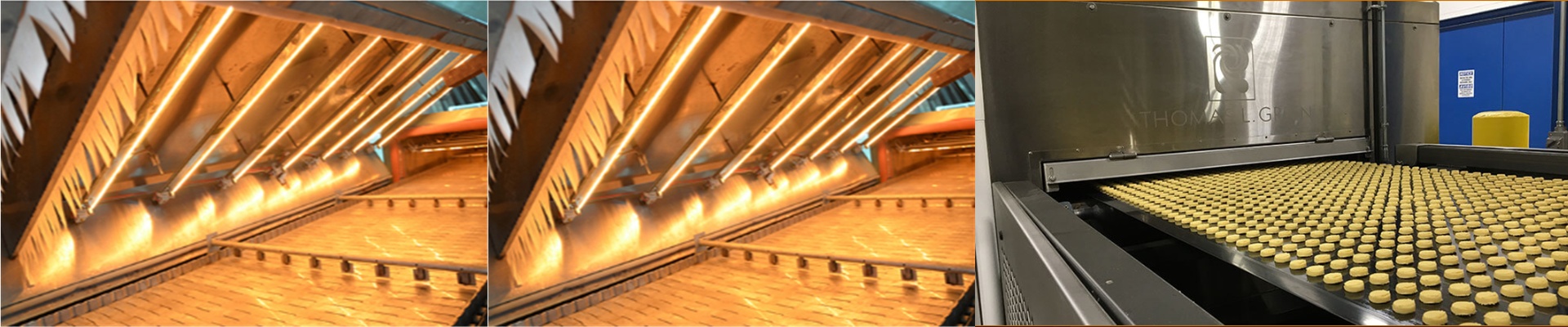
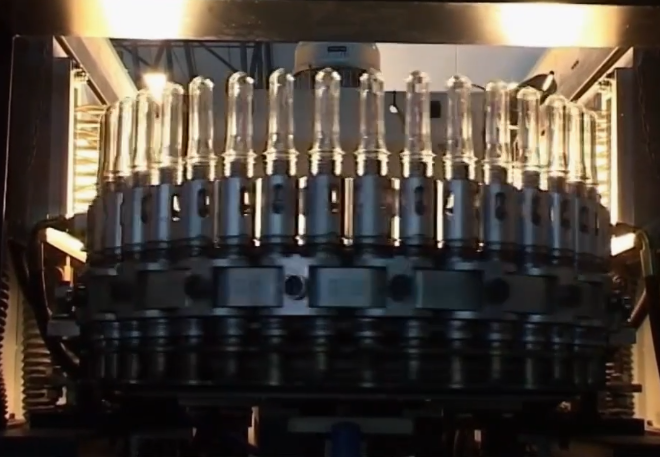
Ever pull a PET bottle off the line and see that annoying pearlescence or a wall that’s way too thin in one spot? It’s frustrating. Usually, it comes down to one thing: your preforms aren’t heating evenly. When the heat is all over the place, you get structural weak points, and suddenly your scrap rate starts climbing. We got tired of seeing this happen, so we built a drop-in replacement quartz lamp that actually fixes those stubborn hot and cold spots.
Why your lamps are lying to you
Here’s the thing about standard lamps: they usually struggle with “end-loss.” Basically, the temperature just drops off at the ends of the tube. It’s like trying to toast a piece of bread but leaving the edges raw. We fixed this by changing how the filament is wound. By tweaking the wattage-to-length ratio, we flattened out the thermal profile. Now, the infrared energy hits the preform consistently from one end to the other. No more guessing games. Just a quick heads-up: make sure your voltage and wattage match your oven’s power supply exactly. If they don’t, you’ll either starve the preform of heat or fry the filament way too soon.
The gear under the hood
We use high-purity quartz glass because these things take a beating with rapid heating and cooling cycles. We also added an internal halogen cycle. It keeps the tungsten from evaporating too fast, which means the lamp actually lasts through heavy workloads instead of burning out when you need it most. And since we designed these specifically for KHS setups, they slide right into the existing footprints. No hacking or modifying your machine. But let’s talk about the real headache: the connectors. In these machines, that’s usually where things go south. We use reinforced R7s and Sk15 terminals to make sure the electrical seat is tight. A loose connection is just an arc point waiting to happen, and that’s how you end up with a melted housing. Not a fun day at the office.
A few things to keep in mind
These lamps pack a lot of heat density, which is great for cutting down your cycle times. But there’s a trade-off. If you crank up the wattage to push more bottles through, your oven’s ventilation has to work harder. If you push it too far without checking your cooling blowers, you might actually overheat the machine frame. Stick to the original KHS schematics when you wire them up. It keeps everything safe and keeps the machine running smooth.