
Stop Replacing Your Infrared Heaters Every Six Months
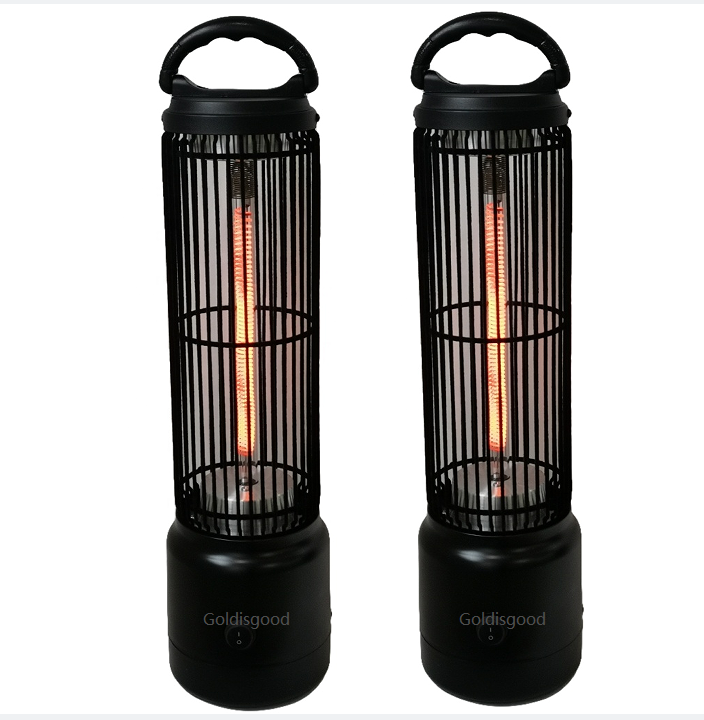
Let’s be honest: most infrared heaters die a predictable death. Moisture creeps in, or dust piles up on the quartz tube, and then—pop. One stray water droplet or a bit of conductive grime hits that scorching element, and you’ve got a short circuit or a cracked tube from thermal shock. It’s a headache nobody needs. That’s why we started building our heaters with IP65-rated enclosures. What does IP65 actually do for you? In plain English, it means the unit is dust-tight and can handle a decent spray of water without flinching. We use high-temp silicone gaskets and sealed cable entries to keep the gunk out. Here is the real problem in humid shops: when the heater is off and cold, moisture settles on everything. The second you flip the switch, that water evaporates instantly. But it doesn’t just disappear—it leaves behind contaminants that eat away at the contacts or pit the glass. A sealed housing just stops that cycle from starting. The tricky part: Heat vs. Sealing Now, you can’t just wrap a heater in plastic and call it a day. If you seal it too tight, you trap the heat inside, and your wiring will fry. We solved this by using heat-conductive alloys for the chassis. It basically acts as a giant heat sink, pulling the warmth away from the guts of the machine. Just a heads-up: make sure your mounting bracket gives the outer shell some breathing room. If the air around it gets too hot, those gaskets can harden and crack over time. The bottom line For you, this just means way fewer “emergency” replacements. If you’re working in a wash-down area, a standard heater might give up the ghost in half a year. The IP65 version just shrugs it off. The circuitry stays dry, the tube stays clean, and you don’t get those annoying “hot spots” that kill the glass. Just wire it to your controller, make sure the gaskets are seated right, and let it rip. It’ll take a beating in the damp and keep your breakers from tripping.